
Flooring Tips
What Flooring Increases Home Value the Most?
What flooring increases home value the most? Hardwood leads on resale and appraisal, quality LVP is the smart value play, and new floors beat worn carpet.
- Published
- June 28, 2026
- Author
- Blackburn's Interiors, Winter Haven, FL
- Updated
- August 4, 2026
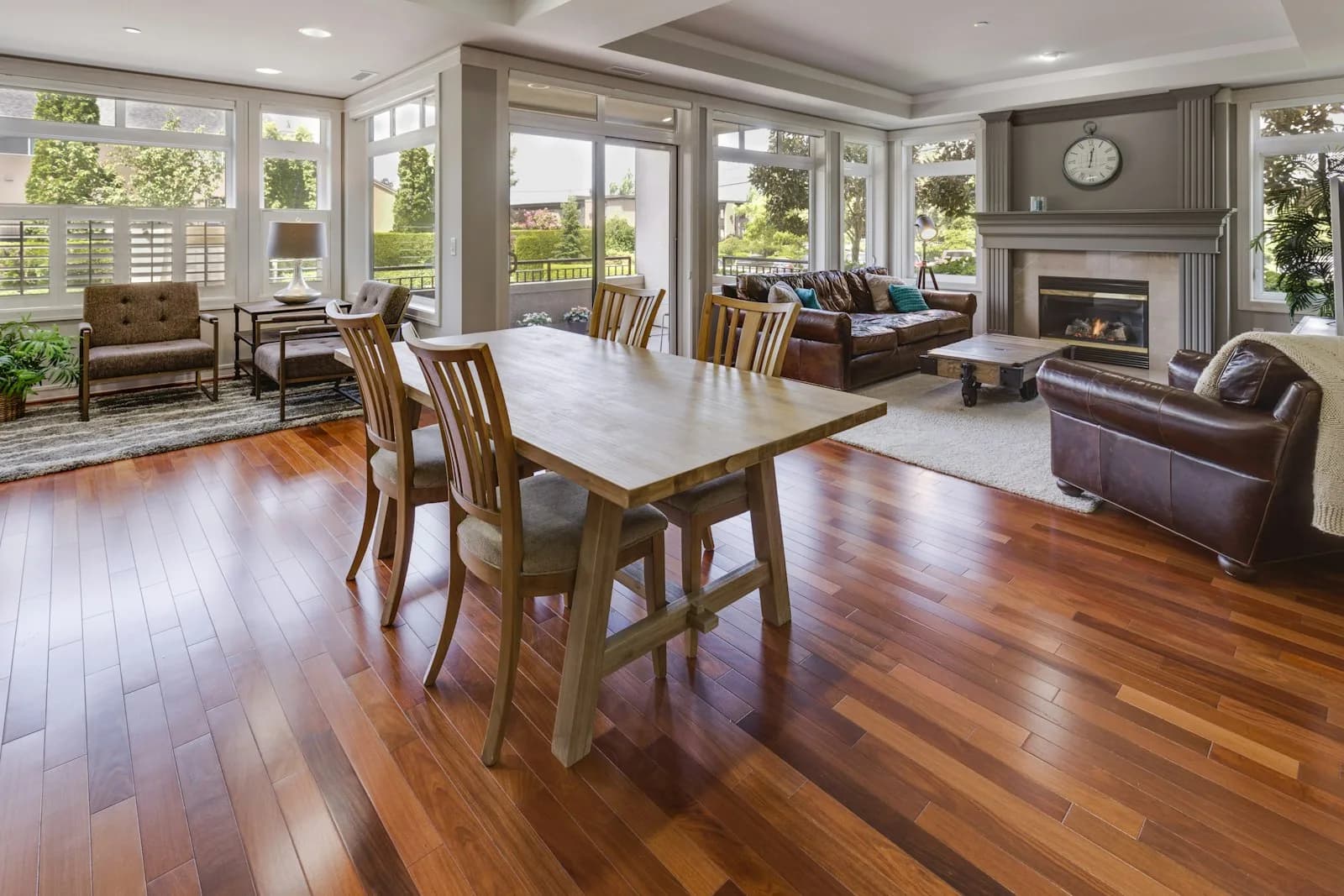
What flooring increases home value the most? After more than fifty years selling and installing floors here in Winter Haven, our answer is simple. Real hardwood pulls the hardest on buyers and lifts an appraisal the most. Quality luxury vinyl plank is the value play that buyers now accept without blinking. And ripping out worn, stained carpet is the cheapest value win of all. The rest of this post explains why, and how to spend your money in the right order. Most of what follows applies anywhere, but we'll start where we live: on a Florida slab, in Polk County humidity.
We see the same thing every spring. A family in Lakeland or Auburndale is getting ready to sell. They want to know which floor earns its keep at resale. It depends on the home, the price point, and what's down there now. Let's walk through it the way we would at a free in-home measure.
Why Flooring Moves the Needle on Home Value
Floors are the biggest surface in the house. They touch every room. A buyer feels them underfoot the second they walk in. Tired carpet or cracked tile reads as "this house needs work" before anyone says a word. Clean, consistent, modern floors read as "move-in ready." That feeling shows up in the offer.
Appraisers and buyers don't think exactly alike, and that matters. An appraiser assigns hard dollars based on condition and quality. A buyer reacts to emotion and competition. New floors win on both fronts. They bump the appraised condition rating, and they help your listing beat the house down the street. If you're weighing a full project, our guide for choosing the right flooring walks through how to match the floor to the room and the goal.
One more truth from the showroom. Flooring is a project most buyers dread doing themselves. When you've already done it well, you remove a big objection. That's worth real money at the closing table.
Hardwood: The Strongest Pull on Buyers
If you want the floor that adds the most perceived and appraised value, hardwood is still king. Real wood has depth a print layer can't fake. Buyers know it. Listing agents put "hardwood floors" in the headline because the phrase sells. An agent survey the National Wood Flooring Association points to found homes with wood floors sell faster and for as much as 10 percent more than homes without them. In mid-to-higher-priced homes, hardwood is often what separates the winning offer from the rest.
Wood also has a long life, and that longevity is part of the value story. Keep a wood floor maintained and its life span can exceed 100 years. Solid wood can be sanded and refinished numerous times, so a buyer sees a floor that will outlast them. That permanence is rare in a house and it commands a premium.
Engineered vs Solid in a Florida Home
Here's where our climate changes the playbook. Most homes built in Winter Haven, Bartow, and Haines City after 1960 sit on a concrete slab. Slabs push moisture vapor upward year-round. Solid hardwood and slabs don't get along. The wood cups and buckles. We install engineered hardwood, not solid. It has a real wood veneer over a stable plywood-style core. It glues or floats over concrete and handles our humidity far better. We break the whole comparison down in our hardwood vs luxury vinyl plank guide for Florida.
The key for resale: engineered hardwood with a real wood top layer still reads as hardwood to a buyer and an appraiser. It carries nearly all of the value pull while surviving slab life. If you're shopping species and styles, our hardwood flooring trends post covers what's selling now.
What Hardwood Costs Installed
Industry-standard installed pricing runs roughly like this. Plan your budget around ranges, not a single number, because species and site conditions move the cost.
- Engineered hardwood: about $9 to $18 per square foot installed, the usual choice over a Florida slab.
- Refinishing existing wood: often the best value of all, bringing a tired but solid floor back to life for a fraction of replacement. The 2022 REALTORS® remodeling impact report puts its cost recovered at 147 percent, the highest of any interior project they track.
Don't overlook that last point. If you already have hardwood hiding under carpet, which is common in older homes near the lakes, refinishing it can be the highest-return move in the whole house. That is a hardwood refinisher's work, not ours. For new floors, get a quick room estimate with our flooring calculator before you decide.
Luxury Vinyl Plank: The Smart Value Play
Ten years ago, vinyl on a listing was a red flag. Not anymore. Luxury vinyl plank has become the value play that buyers actively want, especially in homes under about $500K. It looks like wood, it's fully waterproof, and today's buyers know it shrugs off kids, dogs, and dropped glasses. That reputation is why LVP now helps a sale instead of hurting it.
For a Florida slab home, LVP is the easy yes. The plastic-based core doesn't care about moisture or humidity. It installs directly over concrete, often in a day or two. You get a clean, current look across the whole house without the moisture risk that haunts other floors here. If you're comparing it to laminate for a budget project, read is LVP better than laminate in Florida first. The slab changes that math.
What to Look For in Value-Grade LVP
Not all vinyl is equal, and the cheap stuff shows wear fast. For a floor that holds up and still looks good at the showing, watch these specs:
- Wear layer of 12 mil minimum for resale-ready durability; 20 mil if you have big dogs or heavy traffic.
- A rigid SPC or WPC core for stability on a slab.
- A neutral, wide-plank wood look that photographs well in a listing.
- A recognizable brand with a real warranty. See our best luxury vinyl plank brands for Florida roundup.
Installed, quality LVP runs about $5 to $11 per square foot. That's a meaningful step below engineered hardwood, and the look gap has narrowed every year. New to the category? Our complete guide to luxury vinyl plank covers cores, wear layers, and how it's built.
Replacing Worn Carpet: The Cheapest Value Win
If your budget is tight and you need the biggest bang per dollar, start here. Nothing drags down a showing like matted, stained, dated carpet. Buyers smell it and mentally subtract a renovation. Swapping worn carpet, even for fresh mid-grade carpet and especially for hard surface, is the lowest-cost move that lifts perceived value the most.
There's a smart middle path many of our Polk County sellers take. Put hard surface flooring in the main living areas, kitchen, and halls where buyers look hardest. Keep fresh, neutral carpet in the bedrooms, where it's cozy and cheap. You get the modern look where it counts and you protect your budget.
A quick word from a Florida installer: don't lay new carpet over a slab that's been hiding a moisture problem. We test first. If you've ever had a soft, musty spot, read our slab moisture mitigation guide before you spend a dime on new floors.
What Buyers Actually Want Underfoot
After decades of walking buyers and sellers through homes, a few patterns hold no matter where you live.
- Hard surface over carpet in the main living spaces. Wood and wood-look win the most offers.
- Waterproof floors in kitchens, baths, and laundry rooms. Buyers know water happens.
- Low-maintenance materials. Today's buyers don't want a floor that needs babysitting.
- A clean, consistent look from room to room. No patchwork of three different floors.
Notice what's not on that list: trendy colors and busy patterns. The floors that age well and appeal to the widest pool are the ones that lift value. Chasing a fad can backfire. Our post on what flooring interior designers say to avoid covers the looks that date a home fast.
Consistency Across the Home Beats a Patchwork
Here's a mistake we see all the time. A homeowner does one room at a time over the years: oak here, tile there, a different vinyl in the back bedroom. Each floor is fine on its own. Together they make a house feel chopped up and smaller than it is. Buyers feel that, even when they can't name it.
Running one floor, or two coordinated floors, through the main living areas does the opposite. It makes rooms flow. It makes square footage feel bigger. It photographs clean for the listing. If you can only fix part of the house before selling, fix it in connected zones, not scattered rooms. The same continuity idea drives the rule of 3 in flooring, a simple way to keep choices coordinated.
This is also where mixing materials done right pays off. Hardwood in the living and dining rooms with matched-tone LVP in the kitchen and baths can look like one floor when the colors and plank widths line up. Done carelessly, the transitions shout. The difference is planning, and it's exactly what we map out at the in-home measure.
Color and Style: Play It Neutral
Color matters more than most sellers think. The floors that add the most value lean neutral. Mid-tone browns, soft warm grays, and natural oak looks appeal to the broadest set of buyers. They don't fight a buyer's furniture or wall color, so people picture themselves living there.
Very dark floors show every speck of dust and pet hair. Very light or heavily gray floors can read dated quickly. Red-toned woods feel locked to an era. None of these are wrong for your own home, but for resale value, neutral wins. Wider planks also feel current and make a room look larger, a small choice with an outsized payoff. For where the market sits today, see our latest flooring trends.
The same logic carries into the kitchen, where floors, cabinets, and counters all read together. If you're updating more than the floor, our kitchen design 101 guide helps you keep the whole room coordinated and neutral enough to sell.
How to Spend in the Right Order
Budget is real, so here's how we'd prioritize for resale, top win first. Every home is different, but this order serves most sellers well.
- Rip out any worn or stained carpet. Cheapest fix, biggest first impression.
- Make the floors consistent through the main living areas. Continuity sells.
- Choose hard surface for high-traffic and wet rooms. LVP for value, engineered hardwood for the top of the market.
- If real hardwood hides under old carpet, refinish it. Often the highest return in the house.
- Keep colors neutral and planks on the wider side so the look stays current.
Where your home sits in the market should steer the call. In an entry or mid-priced Polk County home, quality LVP throughout is a strong, affordable selling feature. In a higher-end home, buyers expect hardwood in the main rooms, and skipping it can cap your offers. Not sure which fits your house? Our flooring quiz is a quick way to narrow it down, and our post on the process of buying new flooring lays out the full path from samples to install.
Do Homes Sell Better With Carpet or Hardwood?
This question comes up at almost every pre-sale consult. The short answer: hardwood and quality wood-look luxury vinyl plank win the broadest resale appeal and tend to add more perceived value than carpet in the main living areas. When buyers walk into a home and see consistent hard surface floors, they read it as upgraded, well-kept, and move-in ready. That perception is worth real money on offer day.
Carpet is not the enemy. Soft, clean, neutral carpet in bedrooms is still perfectly acceptable and often preferred by buyers who want comfort underfoot in private spaces. The problem is wall-to-wall carpet in main living areas, especially if it shows age, staining, or a bold pattern from a decade ago. That carpet tells a buyer the house needs work before they've seen anything else. It sticks in their mind and shows up as a lower offer or a renovation credit request.
The resale-smart play is straightforward. Run hard surface through the living room, dining room, kitchen, and main hall. These are the rooms buyers photograph in their head and talk about at the car. Reserve carpet for bedrooms if you want it there. You get the warm, cozy bedroom feel buyers like and a clean, modern look everywhere it counts. That split is the most common recommendation we make to Polk County sellers, and it consistently pays for itself. For a deeper look at your flooring options across the whole house, start at our flooring page.
- Main living areas and halls: hardwood or quality LVP adds the most perceived value and photographs best for listings.
- Kitchens and baths: waterproof hard surface is the only smart call for buyers and appraisers.
- Bedrooms: fresh neutral carpet is fine and sometimes preferred; worn or dated carpet in any room is a buyer objection waiting to happen.
- Entry and stairways: these are the first and last impressions; hard surface here earns its cost.
If you're asking what type of flooring is best for home value overall, it's the right hard surface in the right rooms, kept neutral, run consistently. Hardwood still sits at the top of the value ladder for higher-priced homes. Quality LVP holds that position in mid-range homes and handles Florida slabs better. Either way, clean and consistent beats dated and patchwork every time.
The Bottom Line
So, what flooring increases home value the most? Hardwood gives you the strongest buyer pull and the biggest appraisal lift, especially in higher-priced homes. Quality LVP is the smart value play buyers now welcome, and it's the easy answer for a Florida slab. And replacing worn carpet is the cheapest win on the board. Keep it consistent, keep it neutral, and spend in the right order. We've helped families across Winter Haven, Lakeland, Auburndale, and the rest of Polk County do exactly that since 1973, and we'd be glad to help you. Contact us for a free in-home measure and we'll bring samples to your house, read your slab, and tell you honestly which floor earns its keep at resale. Call us at (863) 294-7355 or stop by the showroom at 1507 Havendale Blvd NW in Winter Haven. Ask about special financing too. With approved credit, you can spread the project out before you list.
Sources
- National Association of REALTORS®, 2022 Remodeling Impact Report (refinishing hardwood leading interior projects for cost recovered, at 147 percent)
- National Wood Flooring Association (NWFA), Invest in Your Home with Wood Floors (a wood floor's life span exceeding 100 years, refinishing numerous times, and wood-floor homes selling faster and for up to 10 percent more)
More flooring tips
Have a project of your own?
Free in-home estimates across Polk County.