
Flooring Tips
Rule of 3 in Flooring Design: Materials, Tones & Expert Tips
The Rule of 3, picking three coordinating flooring elements for visual balance, explained with practical examples for whole-home design.
- Published
- January 19, 2026
- Author
- Blackburn's Interiors, Winter Haven, FL
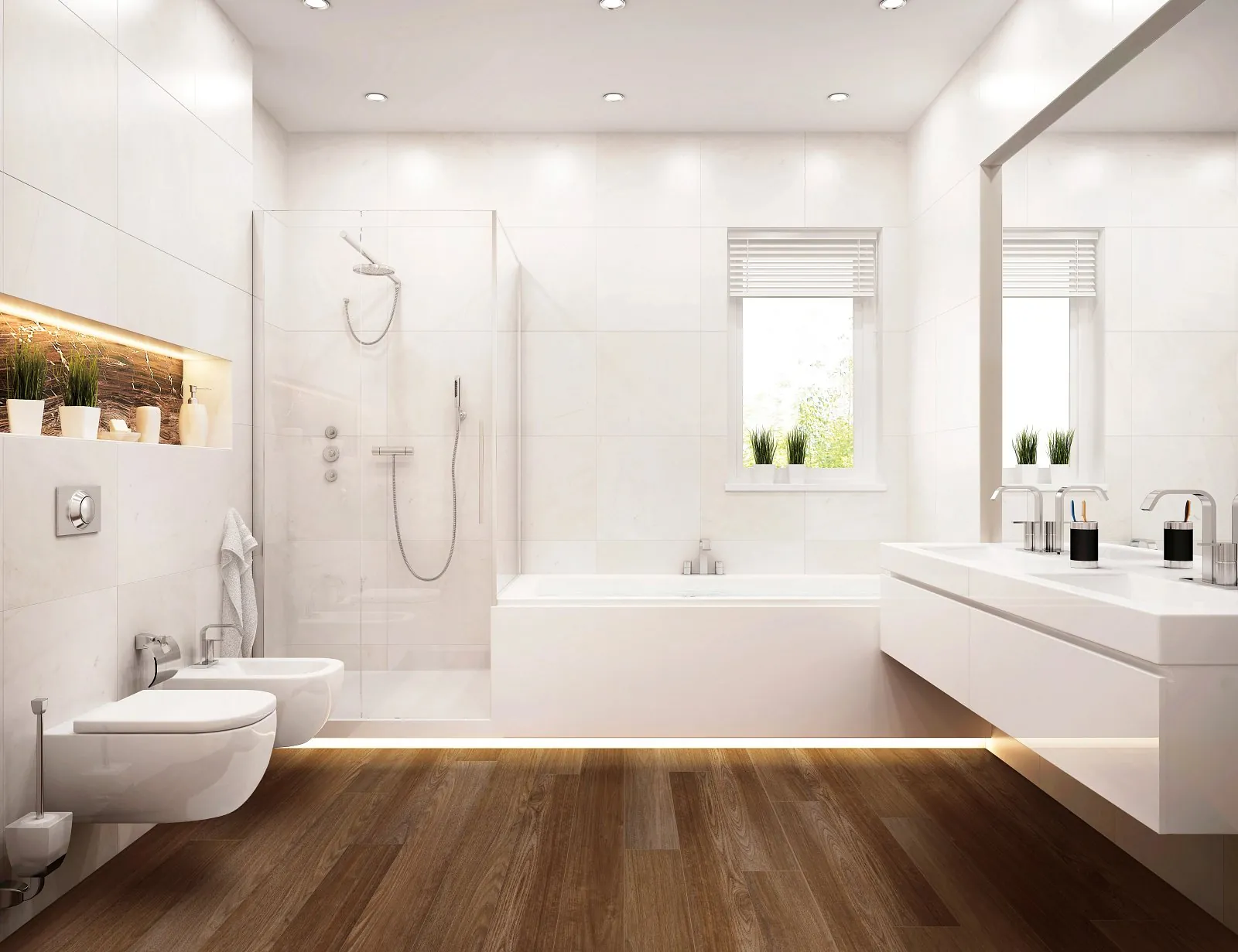
Professional designers rely on time-tested principles that transform ordinary spaces into extraordinary ones. The Rule of 3 stands out as a powerful tool for achieving balance, harmony, and visual interest in flooring design.
What Is the Rule of 3?
The Rule of 3 is a design principle suggesting that objects, colors, or elements arranged in groups of three create more visual appeal and balance than other numerical combinations. Odd numbers, particularly three, feel more dynamic and naturally pleasing than even numbers.
When applied to flooring, the Rule of 3 might mean three different flooring materials throughout your home: hardwood in living areas, tile in bathrooms and kitchens, carpet in bedrooms. Or three tonal variations within a single material: light, medium, and dark planks for subtle pattern and depth.
Three carefully chosen flooring elements strike the balance between monotonous and chaotic. Structure without overwhelm.
Three Different Materials
Select three primary flooring materials based on the functional needs of different spaces. Luxury vinyl plank for high-traffic entryways. Porcelain tile for moisture-prone areas like kitchens. Plush carpet for private spaces like bedrooms.
Coordinating undertones across all three helps unify the look. If your vinyl planks feature warm honey tones, select tile and carpet with complementary warmth, not starkly contrasting cool grays.
Three Tonal Variations
Working with three tonal variations within open-concept spaces is powerful. Modern homes often feature expansive great rooms where kitchen, dining, and living areas flow together.
Rather than one floor tone throughout, incorporate three shades of the same material. Darker hardwood planks to define the dining zone. Medium-toned planks in the living area. Lighter planks near windows or in breakfast nooks. Subtle room definition without physical barriers.
Three Distinct Textures
Texture is a third dimension. Combining three distinct textures adds tactile interest. Consider smooth polished tile, hand-scraped hardwood, and soft loop carpet. Each serves different practical purposes while contributing to a layered, sophisticated look.
The 60-30-10 Distribution
Unequal distribution prevents the look from feeling too uniform. Your dominant material covers about 60% of square footage. Your secondary material covers 30%. Your accent material covers 10%.
Example: in a 2,000 square foot home, that's 1,200 sq ft of hardwood, 600 sq ft of tile, 200 sq ft of carpet. One material sets the home's character; the others add strategic variety.
Expert Implementation Tips
- Map functional zones: durability where it matters (kitchens, baths), comfort where it counts (bedrooms), showcase where guests gather (main living)
- Coordinate undertones across all three materials so the palette unifies the home
- Plan the transitions: good installers know when to use a strip and when to make a tight cut
- Coordinate vertically with wall colors, trim, and ceiling treatments
- Don't compromise on installation. Even the perfect trio looks amateurish with bad seams
Why It Works
The Rule of 3 isn't just a stylistic preference. It's rooted in cognitive psychology and how humans process visual information. Three elements provide enough complexity to be interesting while remaining simple enough to grasp quickly.
When your home's flooring follows the Rule of 3, your eye naturally tracks the three coordinating elements. You find rhythm and balance in their arrangement. The space feels organized and thoughtfully designed, even if visitors can't quite articulate why.
Bringing It to Life
By choosing three complementary flooring options and distributing them thoughtfully, you create visual rhythm that enhances both visual appeal and functional performance. The principle gives you a proven framework and removes the paralysis of unlimited options. Once you've settled on your three zones, our 2026 flooring brand guide covers the specific brands and specs worth considering in each category.
We lay out whole-home flooring like this every week for homes across Winter Haven and Polk County. When you are ready to pick your three, book a free in-home measure and we will map the zones with you, samples in hand.
More flooring tips
Have a project of your own?
Free in-home estimates across Polk County.