Flooring Tips
2026 Complete Guide to Luxury Vinyl Plank
Everything to know about luxury vinyl plank: construction, finishes, installation patterns, maintenance, and why LVP is ideal for kids and pets.
- Published
- February 13, 2026
- Author
- Blackburn's Interiors, Winter Haven, FL
- Updated
- August 4, 2026
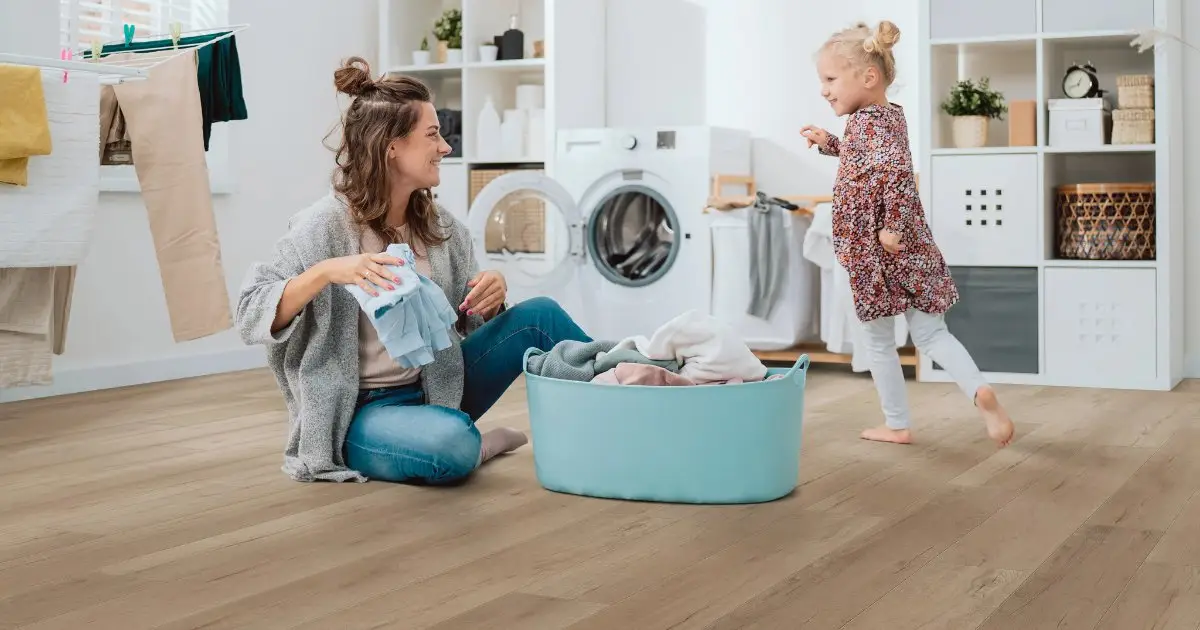
Luxury Vinyl Plank (LVP) is the most popular flooring choice of the decade, and for good reason. It gives you the beautiful look of natural hardwood or stone with incredible strength, 100% waterproofing, and a much lower price.
The LVP market has quickly grown, bringing new core technologies like WPC (Wood Plastic Composite) and SPC (Stone Plastic Composite). Understanding these options, along with the important differences in wear layers and surface finishes, is key to choosing the best luxury vinyl plank for your space in 2026.
Understanding the Layers
Luxury Vinyl Plank mimics natural materials with impressive realism. It consists of multiple layers: a wear layer on top, a luxury vinyl print layer, a core, and an underlayment. This multi-layer construction contributes to LVP's durability, making it a popular choice for high-traffic and water-prone areas like kitchens and bathrooms.
WPC (Wood Plastic Composite) features a core made by blending natural wood pulp with plastic, providing strength, stability, and comfort underfoot. COREtec says it plainly on its own product pages: the thicker WPC core is softer underfoot. SPC (Stone Plastic Composite) uses natural limestone powder, polyvinyl chloride, and stabilizers for a denser, sturdier plank.
Layer-by-Layer Breakdown
- Protective Finish / UV Coating: Top layer protecting against sun fading, scratches, and scuffs
- Wear Layer: Main defense against traffic, scratches, and rubbing. Thickness in mil is the most important spec for longevity
- Printed Design Layer: High-quality film that gives the realistic look of wood grain or stone
- Waterproof Core: Standard flexible vinyl, WPC, or SPC
- Attached Pad (Optional): Many premium products include a pre-attached foam or cork pad for comfort, warmth, and sound reduction
Wear Layer Thickness
The wear layer is the topmost protective layer, and it determines how long the floor lasts. Commercial-grade wear layers can be up to 20 mil thick. Residential wear layers range from 6 to 12 mils. We recommend a 12-mil wear layer for residential and a 20-mil wear layer for commercial applications.
LVP Finishes
Urethane Finish
Urethane (polyurethane) is the most common LVP finish. It offers a good balance of durability, scratch resistance, and affordability. Water-based variants dry faster and are more environmentally friendly. Oil-based offers higher durability but takes longer to dry.
Ceramic Bead Finish
Some manufacturers infuse their urethane finish with tiny ceramic beads to enhance durability and scratch resistance. The bead finish is tougher and more resistant to scratches and dents, making it great for high-traffic areas and homes with pets. It also adds a bit of texture that makes the floor feel more like natural wood or stone.
Aluminum Oxide Finish
Combining aluminum oxide particles with urethane or acrylic sealers creates one of the toughest finishes available. The tiny, hard aluminum oxide particles provide an excellent barrier against scratches, stains, and everyday wear. Often used in commercial-grade and high-traffic residential spaces.
Acclimation
Acclimation is the process of allowing the flooring material to adjust to the temperature and humidity of the installation site before laying it down. See our pre-installation tips for the full checklist. One advantage of LVP is that it's much less susceptible to expansion and contraction than natural materials.
The rule splits by job type. Karndean's rigid core guide asks for 48 hours on commercial installs: planks out of the packaging, resting flat in the room where they will be laid, with the room held between 65 and 85°F. On residential installs, Karndean says acclimation is generally not essential when the product already sits in that 65 to 85°F range. If the boxes came off a hot truck or out of a cold garage first, acclimate them either way. Always follow the manufacturer's specific instructions to validate the product warranty.
Expansion Joints
When installing a floating floor like LVP, leave a gap (the expansion joint) around the perimeter of the room. This allows the flooring to expand and contract with temperature and humidity changes. Karndean's rigid core guide sets the minimum at 3/16 inch (5 mm) around the perimeter and around every fixed object, pipes and columns and kitchen islands included. Past 1,000 square feet, that minimum rises to 5/16 inch (8 mm). Rooms that swing hard in temperature call for at least 3/8 inch (10 mm), which covers unheated rooms, sunrooms, and floors that take direct sun through glass doors. At a doorway, either undercut the frame or leave the gap. If your product's instructions ask for more, follow them.
Expansion gaps are usually covered by molding or trim, such as baseboards or quarter round, so they won't be visible. For larger rooms, an expansion joint might also be needed in the middle, covered by T-molding or another suitable transition strip.
Installation Patterns
- Straight Lay: Simple and most common. Planks installed parallel from one wall to another
- Diagonal Lay: Straight lines at a 45° angle to walls. Makes rooms appear larger
- Herringbone: Decorative zigzag with planks at 90° to each other in a V shape
- Chevron: Like herringbone but with plank ends cut at an angle to create a continuous zigzag
- Random: Different lengths and colors for a varied, natural look
- Staggered (running bond): Plank ends staggered by half-width. Common for wood-look LVP
Shade Variation
Shade variation refers to color differences from plank to plank. Manufacturers often use a rating system: V1 (uniform appearance), V2 (slight variation), V3 (moderate variation), V4 (substantial variation). Higher variation can make LVP look more natural, particularly wood-look styles. Look at several samples to get a sense of the range.
Kid and Pet Friendly
Kids and dogs are the two toughest tests a floor faces, and LVP passes both. For the dog-by-dog breakdown, wear layers and traction included, see our guide to the best flooring for dogs.
- Durability: Withstands heavy foot traffic and resists scratches and dents
- Waterproof: Spills, pet accidents, and humidity won't damage the planks
- Comfortable and Warmer: Softer underfoot than tile or stone
- Noise reduction: Dampens noise compared to most hard floors
- Hypoallergenic: Doesn't trap dust, pet dander, or allergens. Low-VOC
- Slip resistance: Good slip resistance for kids at play or scampering pets
Maintenance
LVP is renowned for low maintenance. Sweep or vacuum regularly (vacuum without a beater bar). Damp-mop with a cleaner formulated for vinyl flooring. Avoid harsh or oil-based products. Use felt pads under furniture and avoid rubber-backed mats. Never wax. LVP has a built-in shine that doesn't need it.
Clean spills promptly. For stubborn stains, use a vinyl floor-approved cleaner. Long-term direct sunlight can cause discoloration. Use blinds or curtains where needed.
Which Brands We Carry
The brands we recommend most for LVP, and that we install most often, include Shaw, Karndean, Cali Vinyl, COREtec, and Next Floor. Each has a different sweet spot in style, wear-layer thickness, and price. For the full spec-by-spec comparison across all six major LVP brands, our best LVP brands for Florida homes guide covers wear layer, core type, and price tier for each. We install luxury vinyl plank across Winter Haven and Polk County every week. Browse our full flooring lineup or contact us and we'll match a line to your project.
Sources
- COREtec, Miles Oak LVP Flooring (wpc core softer underfoot)
- Karndean Designflooring, Rigid Core Plank and Tile Installation Guidelines (the 48-hour commercial acclimation window, the 65-85f residential exception, and the expansion gap minimums)
More flooring tips
Have a project of your own?
Free in-home estimates across Polk County.