
Flooring Tips
The Process of Buying New Flooring
An eight-step guide to buying new flooring: budget, material, measurements, style, samples, prep, install, and maintenance.
- Published
- October 16, 2025
- Author
- Blackburn's Interiors, Winter Haven, FL
- Updated
- August 4, 2026
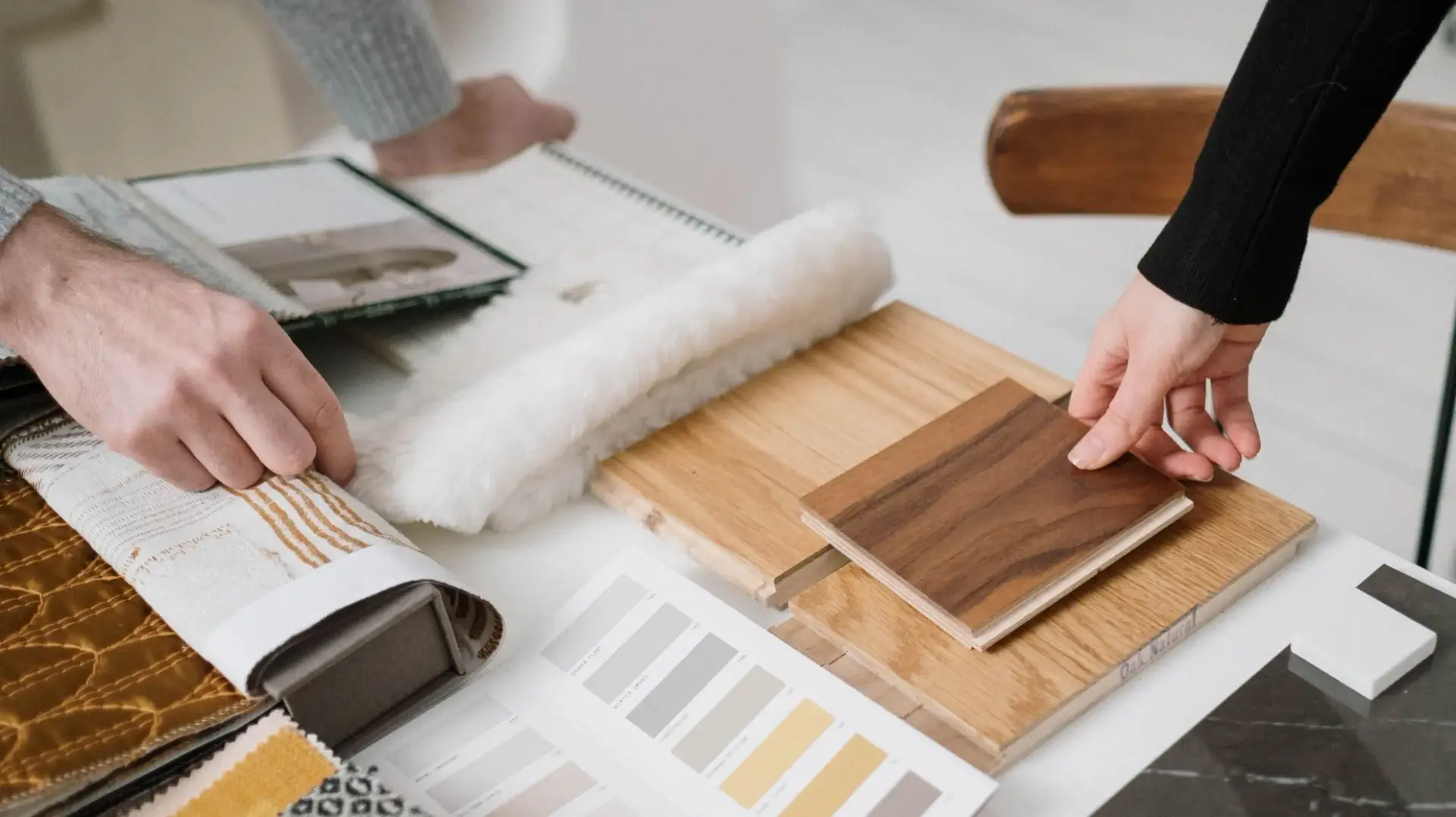
Choosing new flooring is one of the biggest home decisions you'll make. There are a lot of options. Here's a step-by-step guide to help you navigate the process.
Step 1: Set a Budget
Flooring prices vary by material and the size of your space. On a tight budget, consider sheet vinyl or carpet. With more to spend, hardwood, LVP, or tile flooring can be a great investment. We also offer financing for larger projects, subject to credit approval.
Step 2: Choose the Right Material
- Hardwood: classic, durable, and refinishable, but expensive
- Laminate: budget-friendly hardwood alternative, durable, but never sanded or refinished like wood, so a worn floor gets replaced
- Luxury Vinyl Plank: versatile, easy to install and maintain. 12-mil wear layer for residential, 20-mil for commercial
- Tile: durable and water-resistant. Comes in ceramic, porcelain, and natural stone
- Carpet: comfortable and cozy. Best for bedrooms and living areas
Step 3: Measure Your Space
Measure the length and width of each room and account for nooks, closets, and alcoves. Then add waste for cuts and seams, especially on carpet. That extra is not padding. CRI's standard for residential carpet installation requires carpet to be cut to the seaming diagram with at least 3 inches along every wall for trimming, plus enough material to match a pattern where one exists. Order to the bare room size and the job comes up short. Our flooring calculator can help estimate square footage.
Step 4: Choose a Style and Color
Flooring comes in a huge range of styles and colors. Consider the existing decor in your space and choose a style that complements it. Our 8,000 square foot showroom has current and best-selling trends to help you decide. Our 2026 flooring trends post covers what Polk County homeowners are actually putting down right now if you want a head start before you visit.
Step 5: Take Samples Home
Bringing samples home into your lighting makes a big difference. What looks great in the showroom may look different in your room. Keep samples a couple of days so you can see how they look at different times, especially in rooms with lots of natural light.
Step 6: Prepare Your Space
Before install, get the room ready: move furniture, clear debris, make sure the subfloor is clean and level. See our pre-installation tips page for the full checklist.
Step 7: Install Your New Flooring
Once your space is prepped, install can take anywhere from a few hours to a few days depending on the room size and the complexity of the install.
Step 8: Maintain Your New Flooring
Follow the manufacturer's maintenance instructions. For carpet, keep receipts from professional cleanings. If you need help finding maintenance instructions, reach out. We keep records of every job.
Wrap Up
Buying flooring has a lot of moving parts, but the process is the same every time. Walk through these eight steps and the project comes together. As always, we're here if you need us.
Sources
- Carpet and Rug Institute (CRI), CRI 105 Standard for Installation of Residential Carpet (the trim allowance that puts a carpet order past the room's square footage)
- National Wood Flooring Association (NWFA), Refinishing Your Floors (hardwood being sandable and refinishable instead of replaced)
- North American Laminate Flooring Association (NALFA), What is Laminate? (laminate not being sanded or refinished like wood, plus its accessible price and scratch resistance)
More flooring tips
Have a project of your own?
Free in-home estimates across Polk County.