
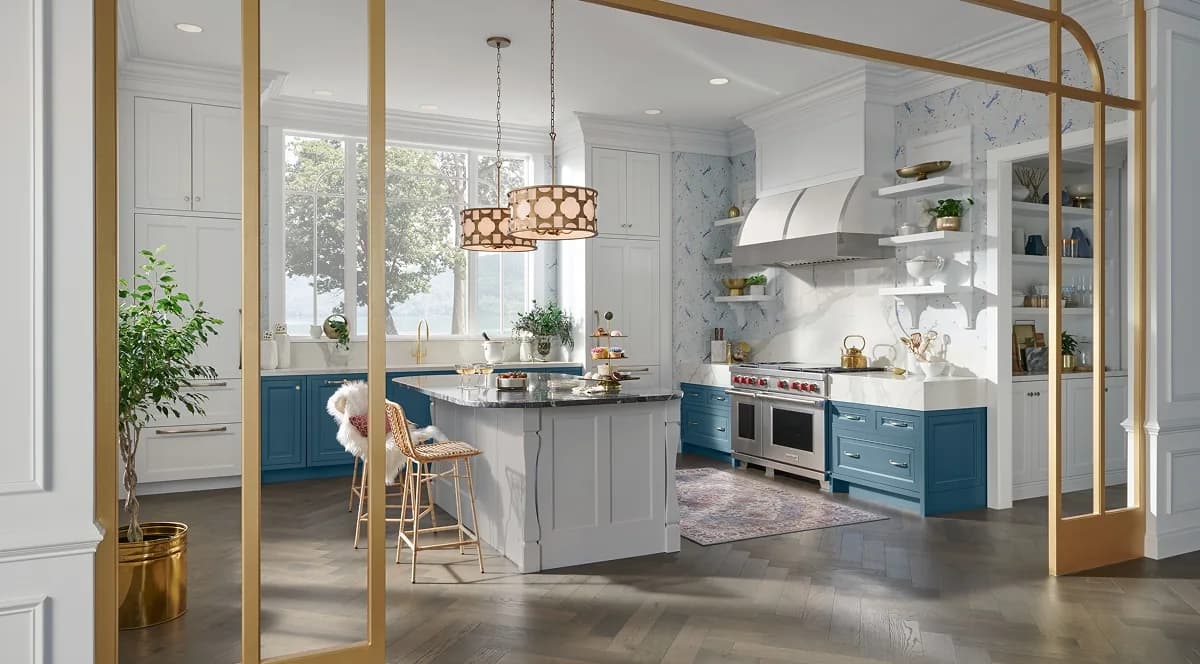
Inset Cabinets: Design, Cost, and What to Expect
The Finest Finish in Cabinetry
Inset doors sit flush inside the frame. No gap, no overlay. Just clean, straight lines. It's how kitchens were built before shortcuts existed, and it still demands the same precision today.
Inset cabinets are the gold standard of cabinet construction. Every door and drawer face sits flush inside the face frame, creating a single flat plane from edge to edge. When you're weighing inset against other door styles or starting a full kitchen from scratch, it helps to understand exactly what inset asks of a builder and whether it's the right fit for your home. At Blackburn's Interiors, we've been a Winter Haven family business since 1962, and inset is one of the most rewarding styles we install.
Why Inset
What Makes Inset Different from Every Other Door Style
Most cabinet doors are full-overlay or partial-overlay. They cover the face frame rather than sitting inside it. Inset flips that. The door and drawer faces are cut to fit precisely inside the frame opening, then hung so the outer face lands perfectly flush with the frame face. When the door closes, you see a single flat surface: no protruding edges, no shadow gap variation, no visual interruption. That flush line is why architects and restoration specialists specify inset for historic homes, formal studies, and butler's pantries. It's also the most unforgiving way to build cabinets. A millimeter of wood movement, a hinge that's off by a fraction, a frame that's not dead-plumb, any of it shows. That's the trade-off. The result looks unmistakably hand-made because, in most cases, it is.
Why Inset Costs More, and Why That's Reasonable
Inset construction takes longer than overlay at every step. The face frame must be milled to tighter tolerances. Each door is fitted individually to its opening. Doors in an inset kitchen are rarely interchangeable the way overlay doors are. Hinges are typically concealed and require more precise mortising or specialty hardware. And because wood moves with Florida's humidity, a good inset cabinet build accounts for seasonal expansion with a consistent reveal, the thin, even gap between door and frame that's part of the finished look. All of this is labor, not markup. Industry pricing typically runs 20–30% higher than equivalent overlay construction, sometimes more at the custom end. We'll give you a straightforward number once we see your space.
Historic Homes and High-End New Construction: Where Inset Belongs
Inset was the standard in American kitchens and pantries from roughly the 1880s through the 1950s. Then post-war production housing pushed the industry toward faster overlay construction, and inset became a custom-only option. Today it shows up in two places: serious restorations of historic homes that need to match original millwork, and high-end new construction where the homeowner wants cabinetry to feel built-in rather than installed. In Polk County, that means craftsman bungalows in Winter Haven's historic districts, older lakefront homes with original millwork worth honoring, and new-build kitchens where the countertop and flooring budget is equally high. Inset paired with a painted finish and a quartz countertop is a combination that photographs beautifully and holds its value well. See quartz countertop options if you're planning both.
Inset vs. Shaker: Understanding the Distinction
People often use these terms interchangeably, but they describe two different things. Shaker refers to the door panel profile: a flat center panel inside a square-edge frame, no decorative profiling. Inset refers to how the door is mounted, flush inside the face frame. You can build a shaker-profile door as inset or as overlay; they're separate decisions. Most inset kitchens do use shaker-style doors because the clean geometry of a shaker panel pairs naturally with the precision of inset construction. But you can also do inset with a raised-panel door for a more traditional look. We'll walk you through the combinations at the showroom. The shaker vs. flat-panel vs. inset comparison on our blog goes deeper if you want to read before you visit.
The Reveal: How a Good Inset Job Handles Florida's Humidity
Wood swells in summer and contracts in winter. In Central Florida, that seasonal movement is real. Humidity swings from the 40s to the 80s across the year. An inset door built too tight will bind in August. One built too loose looks sloppy in January. The solution is a calibrated reveal, a consistent, intentional gap between door face and frame face, typically 1/16" to 3/32" on quality work. That gap is visible, and on a well-made inset kitchen it reads as precision, not error. It's one of the reasons inset is not a style you hand to an inexperienced crew. The installers we train and certify build inset regularly. We set reveals consistently, we account for wood species and finish type, and we service our work with an industry-best residential labor warranty if anything shifts after installation.
What to Bring to Your Inset Cabinet Estimate
Inset is a high-stakes decision. The build cost, the design commitment, and the installation precision are all higher than overlay styles. A productive estimate visit covers more ground than a basic cabinet appointment. Bring photos of any original millwork in your home: panel profiles, molding details, hardware styles. If you're doing a full kitchen, think about countertop material at the same time. Inset construction and a painted finish pair differently with granite than they do with quartz, and the edge profile on the countertop affects how the cabinet door reveal reads. Our showroom at 1507 Havendale Blvd NW in Winter Haven has full cabinet displays you can open and close. We estimate the whole project, free, before any decisions are final. Book your estimate or call us at (863) 294-7355.
Inset doors up close
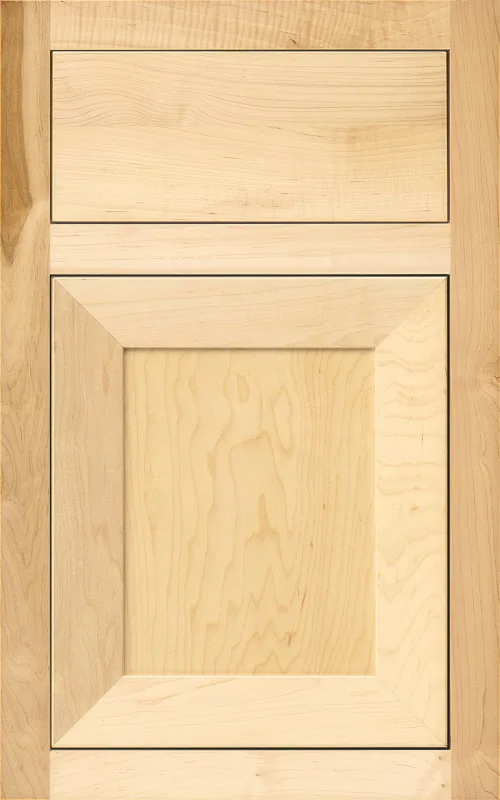
Medallion Harlan Platinum, natural maple 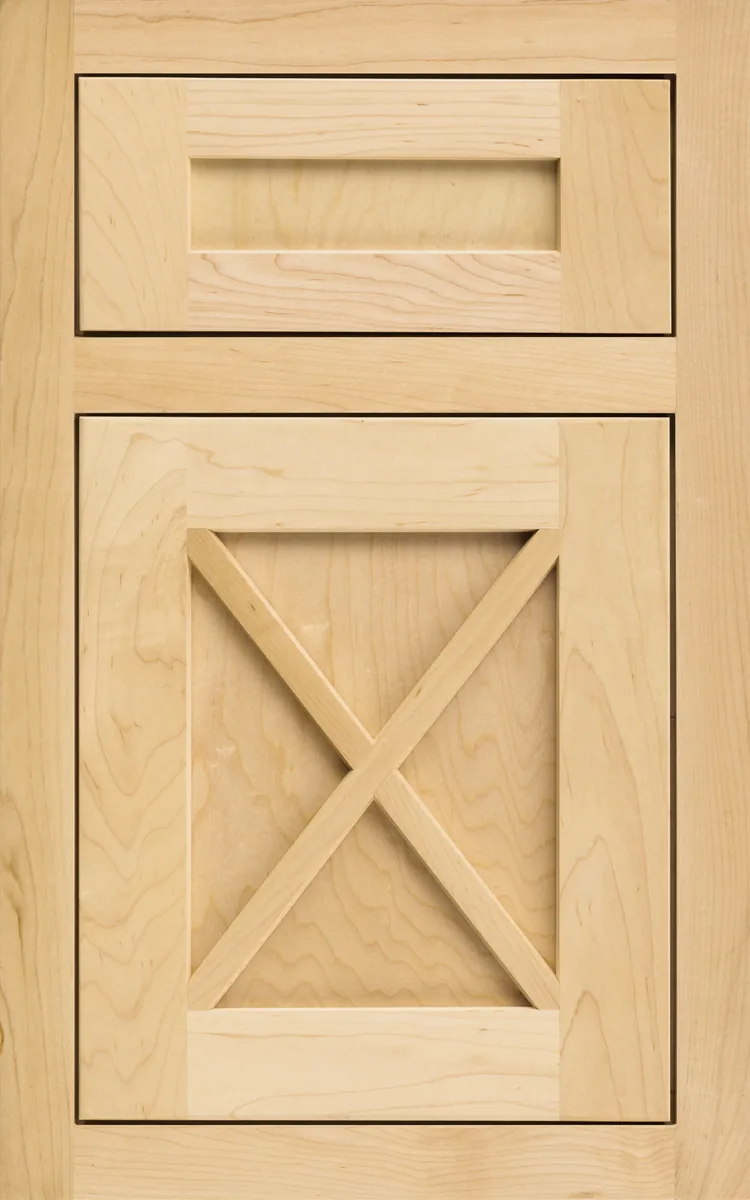
Medallion Amesbury Platinum, natural maple 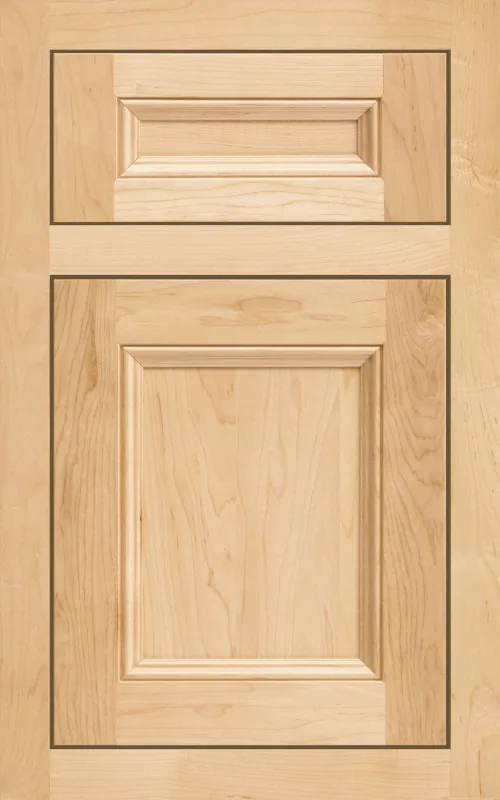
Medallion Waldorf Platinum, natural maple 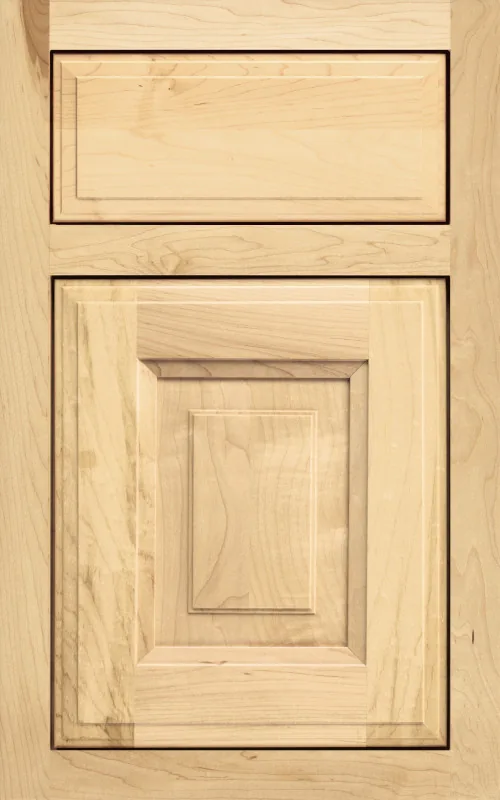
Medallion Calistoga Platinum, natural maple 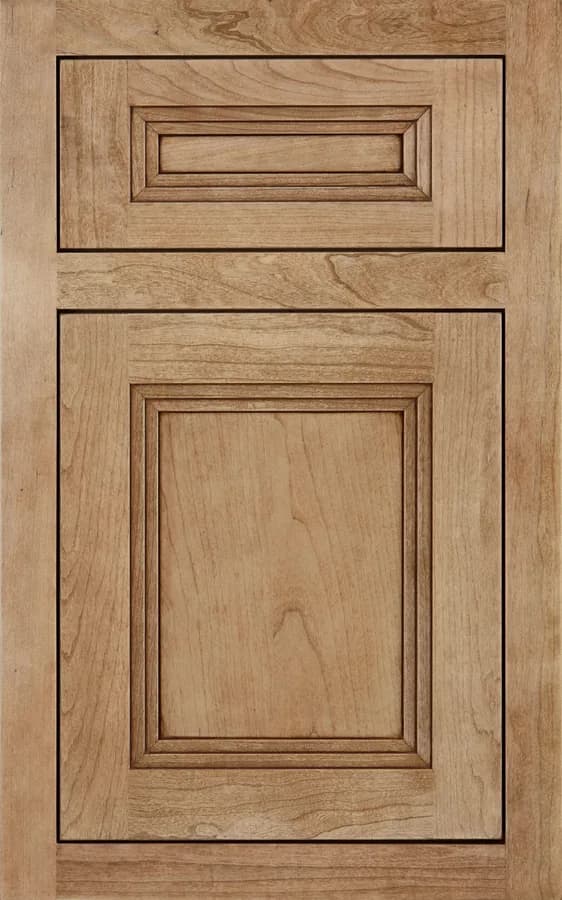
Medallion Craftsman Platinum, Cappuccino on cherry 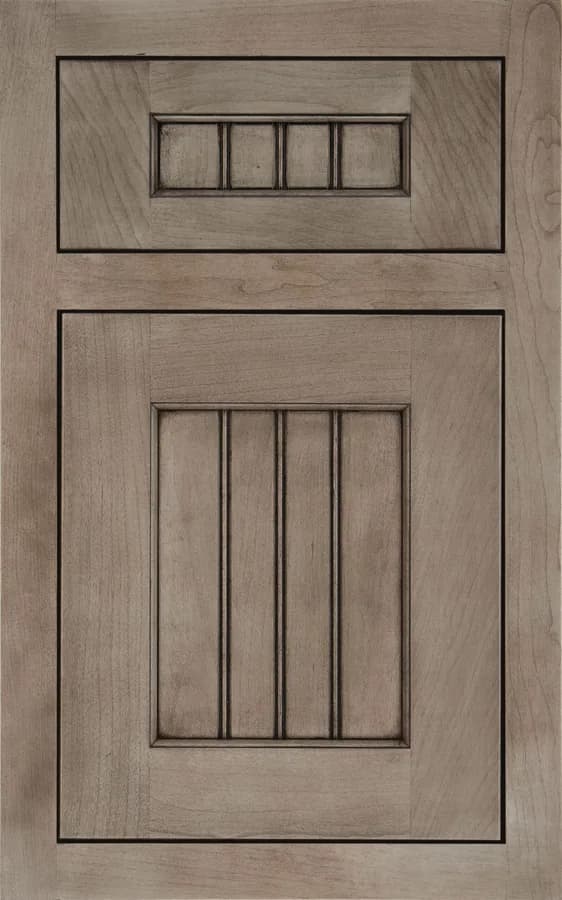
Medallion Dana Pointe Platinum, Peppercorn on cherry 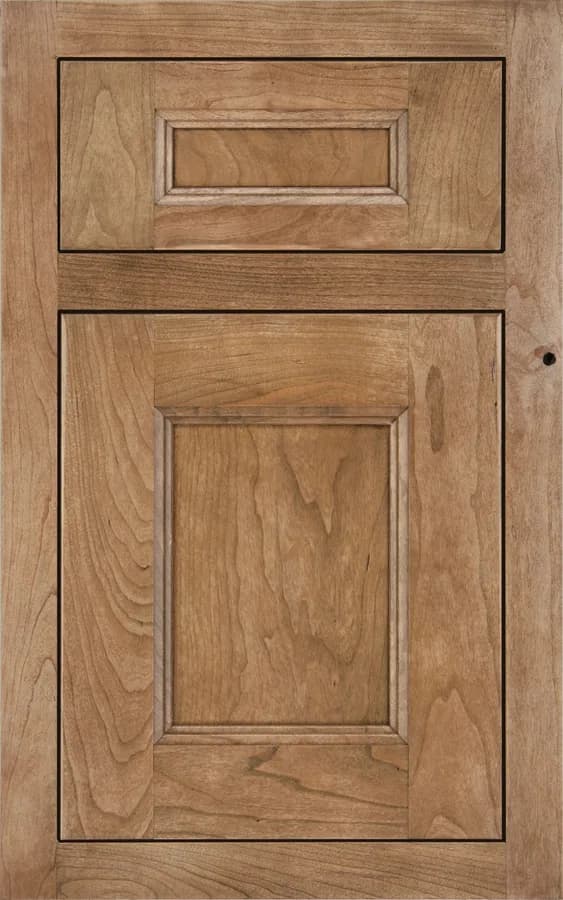
Medallion Providence Platinum, Cappuccino on cherry 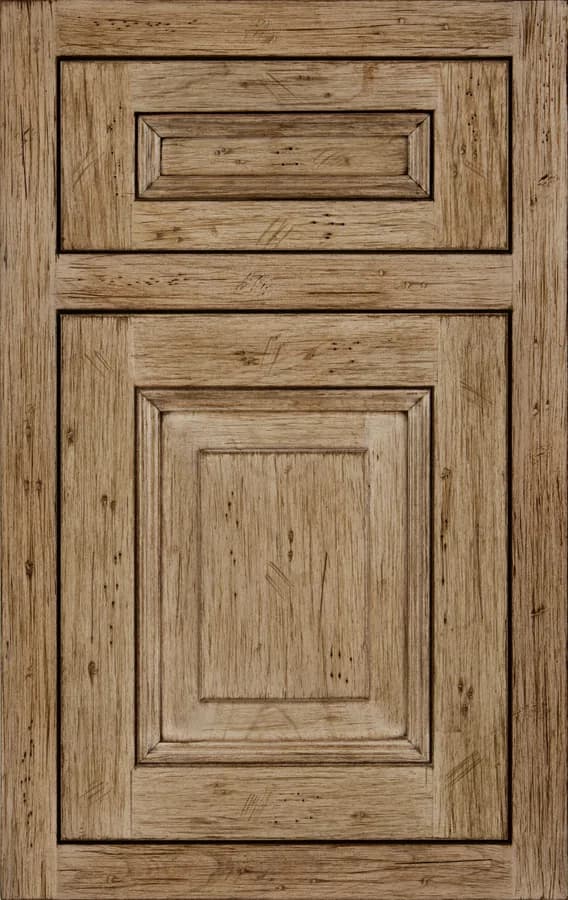
Medallion Wellington Platinum, Buckskin with Appaloosa glaze 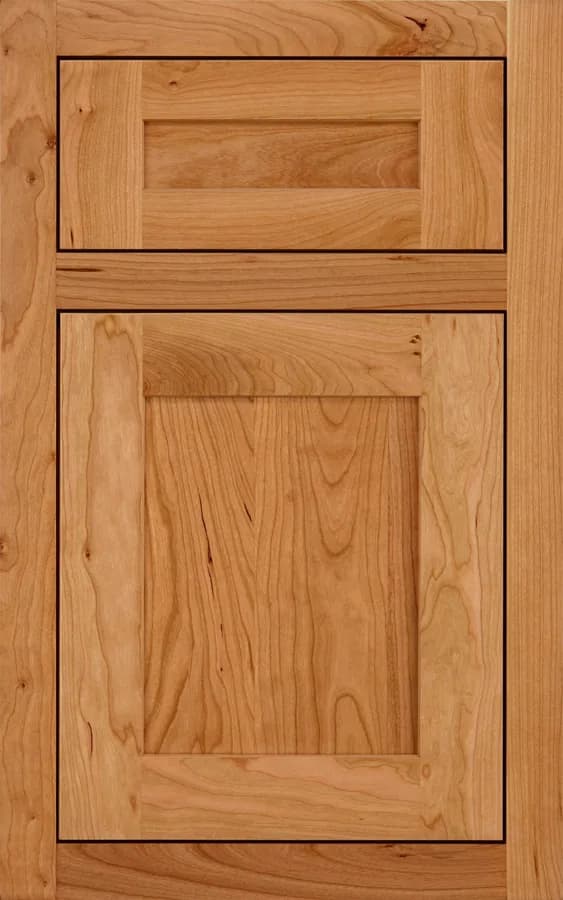
Same door, new finish: Potter's Mill Platinum in natural cherry 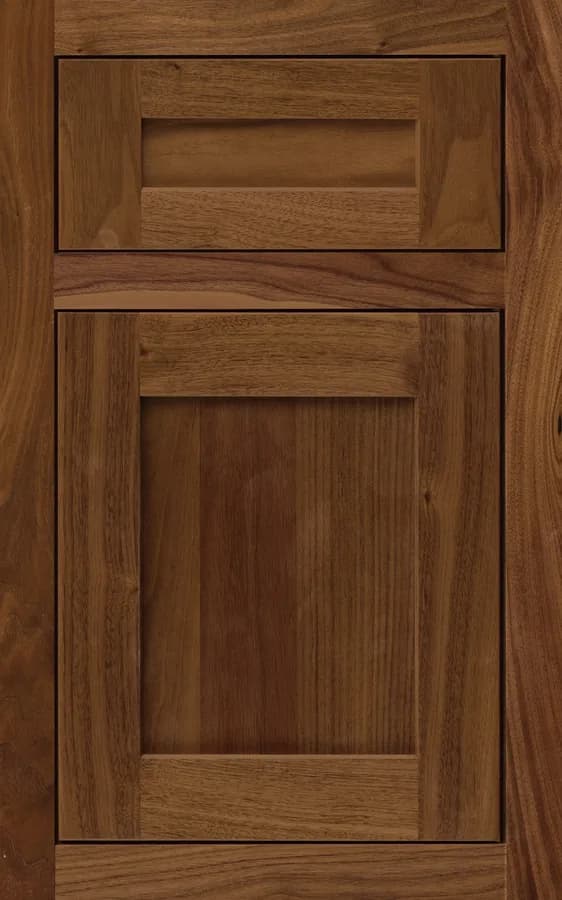
Same door, new finish: Potter's Mill Platinum in natural walnut 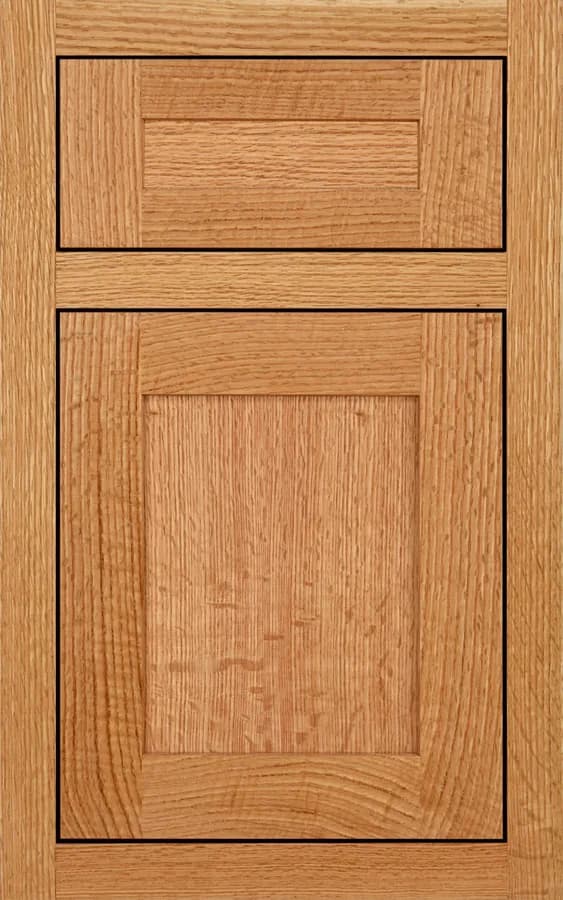
Same door, new finish: Potter's Mill Platinum in natural quartersawn oak 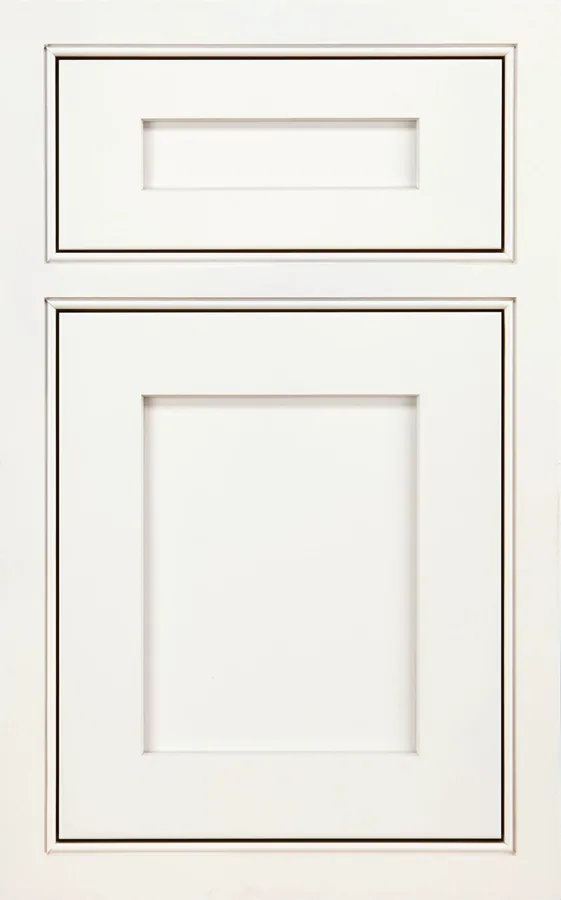
Same door, new finish: Potter's Mill Platinum in Magnolia paint
Inset by city
Inset cabinets, city by city.
Questions we hear
What exactly is an inset cabinet door?
An inset door is mounted inside the face frame opening rather than over it. When closed, the door face sits flush, level with the front face of the frame. There's a small, consistent gap called a reveal between the door and the frame on all four sides. It's the same way cabinet doors were built in the early 1900s, and the visual result is a flat, single-plane cabinet front rather than the layered look you see with overlay doors.
Is inset worth the extra cost?
That depends on your home and your goals. For a historic home with original millwork, inset is often the only style that matches the existing character. Overlay construction would look wrong. For a new kitchen where you want the highest level of fit-and-finish, inset signals quality in a way overlay doesn't. If you want a clean, timeless look on a tighter budget, a well-built full-overlay shaker kitchen delivers most of the look at a lower price. We'll give you an honest take at the estimate once we see what you're working with.
How do inset cabinets hold up in Florida's climate?
Florida's humidity requires a builder to plan for wood movement. A well-built inset cabinet uses a calibrated reveal, a slightly larger gap than a tight fit, so the door doesn't bind when wood swells in summer. Plywood box construction and quality finishes that seal the wood help stabilize the doors across seasons. Cheap inset work, or inset work done without accounting for local climate, can stick in summer and rattle loose in winter. We build for Central Florida humidity specifically.
Can inset doors be painted, or do they need to be stained?
Inset doors take paint extremely well. In fact, painted inset is one of the most popular combinations we install. Paint fills the wood grain and gives the flat door face a clean, refined look. White, off-white, navy, and sage green are all common choices. Stained inset is less common because the reveal gap is more visible against a wood-grain background, but it works well on darker stains and on species like walnut or white oak where the grain is part of the point. We'll show you samples of both at the showroom.
How long does an inset cabinet project take from order to installation?
Lead times vary by manufacturer and whether you're choosing stock, semi-custom, or fully custom cabinets. Plan 2–4 weeks in design before the order goes in. Semi-custom runs 4–8 weeks from confirmed order to delivery, and semi-custom inset orders typically run 6–10 weeks. Fully custom work can run 10–16 weeks from sign-off. Installation itself for a standard kitchen takes 2–4 days with the installers we train and certify, plus time for countertop templating and install afterward. We'll give you a realistic schedule at the estimate, not a best-case number. Read more about custom vs. semi-custom options to understand the lead-time trade-offs before you decide.
Does Blackburn's offer financing for inset cabinet projects?
Yes. We offer special financing, subject to credit approval. It makes a larger inset project easier to plan. A full kitchen remodel with inset cabinets, countertops, and installation can add up quickly. Paying over time can help with that. Ask about current terms at your estimate, or visit our financing page for details.
More cabinets options
Ready when you are
See Inset cabinets in our 8,000 sq ft Winter Haven showroom.