
Flooring Tips
Does Vinyl Plank Flooring Need to Acclimate? What the Makers Say
Does vinyl plank flooring need to acclimate? Usually not for a set number of hours. Here is what four brands' guides say, and why your AC matters more.
- Published
- October 14, 2026
- Author
- Blackburn's Interiors, Winter Haven, FL
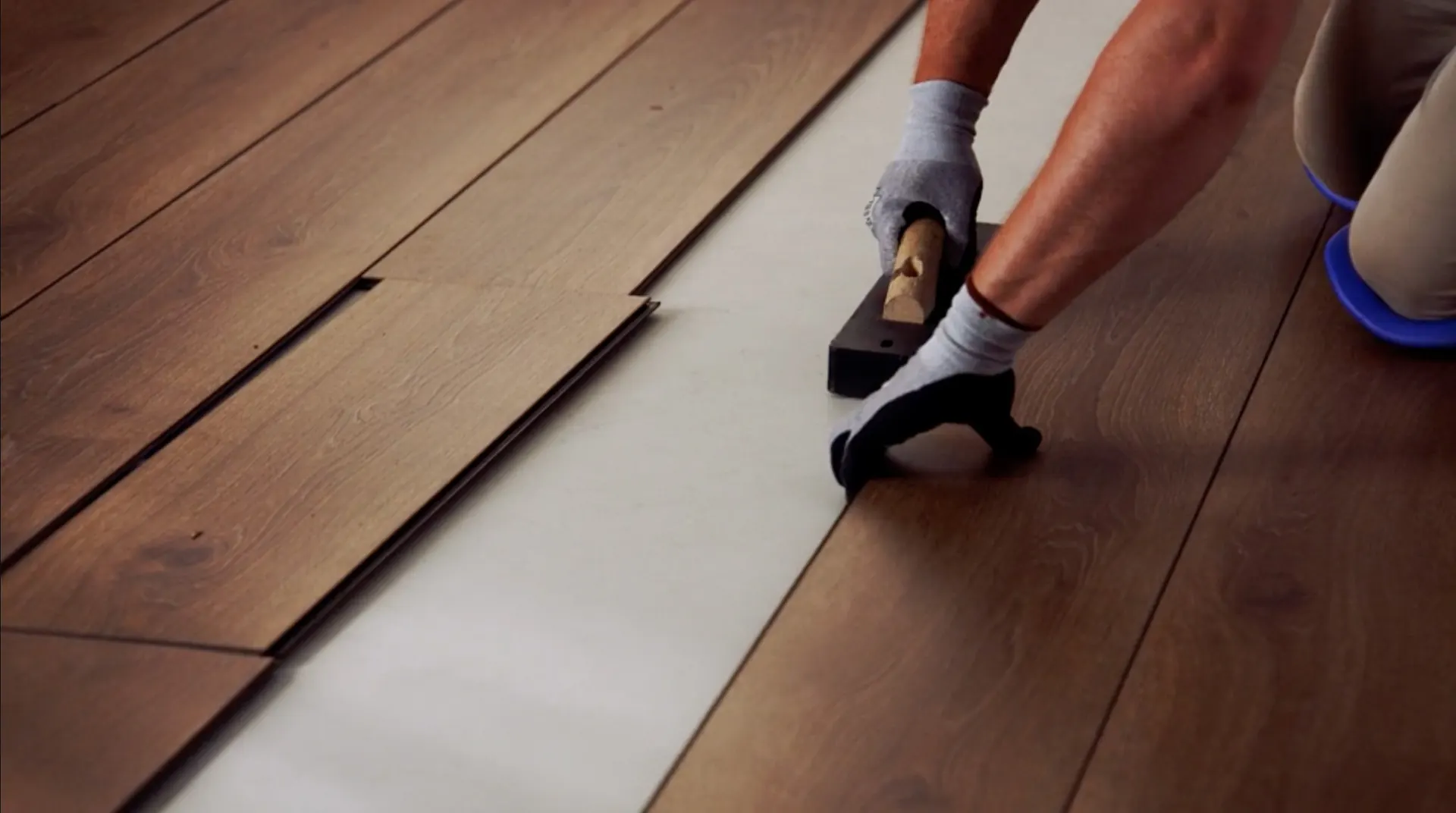
The boxes are here. They are stacked in the garage or the front hall, and install day is close. Then you read one page that says vinyl plank has to sit for 48 hours, and another that says it can go down the minute it arrives. Nobody wants to wreck a floor before a box is open.
Both pages can be right, because the rule changes with the product. Blackburn's has been family-owned in Winter Haven since 1962, and we install luxury vinyl plank across Polk County. For this page we read the installation guides from four brands we carry.
The Short Answer
Usually no, not for a set number of hours. Most of the rigid core guides we read say acclimation is not required. Every one of them still names a temperature range for the room. And if the boxes sat somewhere very hot or very cold, they need time to come back to room temperature first.
- Planks already at room temperature, air conditioning running: most guides ask for no wait.
- Boxes that sat in a hot garage or on a hot truck: let them rest inside. Where a guide gives a number, it is 48 hours.
- Air conditioning off or not hooked up yet: fix that first. Waiting does not help if the room is the wrong temperature.
- The guide for your exact product decides. They do not all agree.
What Acclimate Means for Vinyl Plank
The word comes from wood floors. Wood takes on moisture from the air and gives it back, so it has to sit in the house until it matches the room. Skipping that step is one of the common flooring installation mistakes we wrote about.
Vinyl plank is built on a plastic core, so the worry is different. The acclimation rules in the vinyl guides we read are written in degrees. For vinyl, to acclimate means to let the plank reach the temperature of the room it is going to live in. A plank that goes down hot gets a little smaller as it cools. A plank that goes down cold gets a little bigger as it warms.
What the Makers' Own Guides Say
Each row comes from that maker's own installation guide, and speaks only for the product named.
| Maker and product | Acclimate first? | Room temperature |
|---|---|---|
| COREtec Scratchless | Not required | 55 to 85°F |
| Shaw SPC rigid core | Not required | 55 to 85°F |
| Karndean rigid core | Homes: generally no, if the planks are at 65 to 85°F | 65 to 85°F |
| Mannington Adura Max | Best practice is 48 hours, with one exception | 55 to 90°F |
| Mannington Adura Rigid | Not specifically required | 55 to 100°F, aim for 70°F |
Shaw and COREtec
Shaw makes both, and the wording matches. Shaw's installation guidelines for SPC products, revised in June 2024, say acclimation of material before installation is not required. The same sentence adds a condition. The floor should be installed in a climate controlled environment between 55 and 85°F, or an average of 70. The COREtec Scratchless guide, revised in May 2023, says the same thing with the same range. So does a second Shaw SPC guide, the one filed under its Floorté Pro 5 Series, revised in September 2024.
One COREtec line reads differently. The COREtec Stone guide, dated March 2021, says to store and install the product between 55 and 85°F. If it was stored outside that range, the guide recommends acclimating it for 48 hours.
Karndean
Karndean's rigid core guide, dated January 2024, splits the rule by job. For commercial installs, the planks come out of the packaging at least 48 hours ahead and rest flat in the room where they will be laid. For homes, it says acclimation is generally not essential if the product is already between 65 and 85°F. Then comes the line that matters in Florida. If the product has been exposed to extreme temperatures before installation, acclimation is required.
Mannington Adura
Mannington is the one that leans toward waiting. Its Adura Max guide, revised in May 2024, calls acclimating a best work practice. The room and the flooring should adjust at a constant temperature between 55 and 90°F for 48 hours before and during the install. The exception: Adura Max does not need to be acclimated if the HVAC is up and operating and the material is within 15°F of where it was stored.
The Adura Rigid guide, revised in March 2026, is looser. It says acclimation is not specifically required. It recommends installing close to the temperature the room will be lived in, with a target of 70°F and a range of 55 to 100.
So Do They Agree?
Not on the waiting, and that is the honest answer. Three of the five say no wait is required. One says no wait for homes unless the planks got hot or cold. One calls 48 hours best practice. Even the top of the temperature range moves, from 85 to 90 to 100°F. They do share one idea. The planks and the room should be close to the same temperature, and the room should stay there.
How Long Does LVP Need to Acclimate?
When it needs to at all, plan on 48 hours. That is the only number that shows up in the guides we read.
Where the planks sit matters too. For commercial jobs, Karndean says they may be stacked but must rest flat, in the room where they will be installed. If you bought your floor elsewhere and the boxes are waiting at your house, the same idea holds. A garage does not count, and neither does a lanai.
Our own practice is simple. The material acclimates at our air-conditioned showroom, then goes out to the job. On a multi-day job, we bring it out the first day and leave it in your home to acclimate. The installers we train and certify follow the guide for the product in the box.
Does LVP Expand and Contract?
Yes, a little, with temperature. The makers say so themselves. Shaw's SPC guide warns that excess temperature from direct sunlight can result in thermal expansion. Mannington's Adura Max guide says excessive temperatures may cause floor expansion, which may cause buckling.
That movement is why every floating floor gets a gap at the walls, hidden under the baseboard. When the gap is missing, the floor has nowhere to grow, and a seam pops up. We have a guide coming soon on why a vinyl plank floor peaks, with the gap sizes and the fixes.
What Settling Is, and What It Is Not
People ask how long a new vinyl floor takes to settle. For a floating click floor, the plain answer is that it does not have a settling period. The planks lock together and rest on the subfloor. There is no glue under them that has to cure. Mannington's guides talk about moving furniture onto the newly installed floor, with a hand truck over hardboard runways to protect it. Our flooring installation timeline puts most vinyl plank jobs at one to two days for that reason. Glue-down vinyl is the exception, because the adhesive has its own instructions.
What people call settling is mostly temperature. A floor that went in a few degrees off from the room will finish adjusting on its own, and you will never see it happen. After that, the floor moves a hair with the seasons for as long as it is down. That is normal.
Here is what settling is not. A gap that opens between planks is not settling. Neither is a seam that lifts, a ridge you catch with your toe, or a spot that feels hollow or bouncy. None of those work themselves out with time. If you see one in the first weeks, take a photo and call whoever installed the floor.
What Your Air Conditioning Has to Do With It
Almost everything. Shaw and COREtec say a climate controlled environment. Mannington's exception for Adura Max only applies if the HVAC is up and operating. In a Polk County summer, the only thing keeping a house between 55 and 85°F is the air conditioner.
Before the Install
This is where Florida trips people up. Flooring that rode on a truck or sat in a closed garage in July may well have sat far above 85°F. That is the kind of extreme temperature Karndean's guide is talking about. If the boxes are yours to look after, bring them inside to cool down, and give them the time the guide asks for. The same goes for a remodel or a new house where the AC is not running yet. Get the air on first.
After the Install
The guides do not agree here either. Karndean says to keep the room between 65 and 85°F for the best performance. Shaw's SPC guide gives a range of 55 to 100°F after installation. A second Shaw guide and the COREtec Scratchless guide allow a much wider range, for floating floors only, in spaces that go without climate control for long stretches of the year. So if you turn the thermostat up when you leave for the summer, check the guide for your floor first. We suggest leaving the air on at a higher setting, not off.
A screened lanai has no air conditioning at all. Our guide to the best flooring for a Florida lanai explains why vinyl is risky out there.
What the AC Does Not Fix
Air conditioning controls the air in the room. It does not dry out a concrete slab. Moisture coming up through the slab is a separate problem with its own test, and acclimating the planks does nothing for it. We cover that in our guide to slab moisture in Florida homes.
Common Questions
How long does LVP need to acclimate?
Often not at all, if the planks are already at room temperature and the air conditioning is running. When a guide does call for it, the figure is 48 hours. Check the installation guide for your exact product.
Can you install vinyl plank the same day it is delivered?
With some products, yes. Shaw's SPC guide and the COREtec Scratchless guide say acclimation is not required, as long as the house is climate controlled between 55 and 85°F. If the boxes arrived hot from a truck or a garage, let them cool to room temperature first. On our jobs, the material acclimates at our air-conditioned showroom before it goes out.
How long does it take for LVP to settle after installation?
A floating click floor has no glue to cure, so it has no settling period. Any small adjustment to room temperature happens on its own. Gaps, ridges, and lifted seams are not settling, and they should be looked at.
Do you have to open the boxes to acclimate vinyl plank?
It depends on the product. Karndean's rigid core guide says to take the planks out of the packaging for commercial jobs. They can be stacked, but they have to rest flat. Follow the guide for the floor you bought.
The Bottom Line
Most vinyl plank does not need to sit for days before it goes down. It needs a house that is cooled, planks that are near room temperature, and an installer who reads the guide for that product. On our jobs, the material acclimates at our air-conditioned showroom, and on a multi-day job it comes out to your home the first day. If you are handling your own boxes and they got hot, give them 48 hours inside. If the air conditioning is off, turn it on before anything else.
If you are still choosing a floor, come see the planks in person at our Winter Haven showroom, or ask for a free in-home measure. We will look at the room, the slab, and where the sun lands, and tell you what the guide for your floor requires. We offer special financing, subject to credit approval.
Sources
- Shaw Floors, Resilient Installation Guidelines for SPC Products (rev. 06/13/2024) (acclimation not being required for Shaw SPC, the climate controlled 55 to 85°F installation range, the 55 to 100°F range after installation, and direct sunlight causing thermal expansion)
- Shaw Floors, Luxury Vinyl Angle/Angle SPC installation guide, filed under Floorté Pro 5 Series with Attached Pad (rev. 09/18/2024) (the same not-required wording and 55 to 85°F range, and the wider allowance, for floating floors only, in spaces without climate control for extended periods)
- COREtec (Shaw), COREtec Scratchless Installation (rev. 05/01/2023) (acclimation not being required for COREtec Scratchless, the climate controlled 55 to 85°F range, and the wider allowance, for floating floors only, in three-season spaces)
- COREtec (Shaw), COREtec Stone Installation (rev. 03/18/2021) (COREtec Stone being stored and installed at 55 to 85°F, and the recommended 48 hours of acclimation when it was stored outside that range)
- Karndean Designflooring, Rigid Core Plank and Tile Installation Guidelines (January 2024) (the 48-hour commercial rule with planks out of the packaging and rested flat, residential acclimation being generally not essential at 65 to 85°F, acclimation being required after extreme temperatures, and keeping the room at 65 to 85°F for optimum performance)
- Mannington, ADURA Max Installation Guide (rev. 05/16/2024) (acclimating Adura Max being best work practice at a constant 55 to 90°F for 48 hours, the exception when HVAC is operating and the material is within 15°F, excessive temperatures causing expansion and buckling, and moving furniture onto the newly installed floor)
- Mannington, ADURA Rigid Installation Guide (rev. 03/25/2026) (acclimation not being specifically required for Adura Rigid, and the 70°F target and 55 to 100°F range)
More flooring tips
Have a project of your own?
Free in-home estimates across Polk County.