
Cabinet Tips
Painted vs Stained Cabinets: Pros, Cons, and Longevity
Painted vs stained kitchen cabinets compared on look, longevity, repair, cost, and which finish actually holds up best over twenty years.
- Published
- August 12, 2026
- Author
- Blackburn's Interiors, Winter Haven, FL
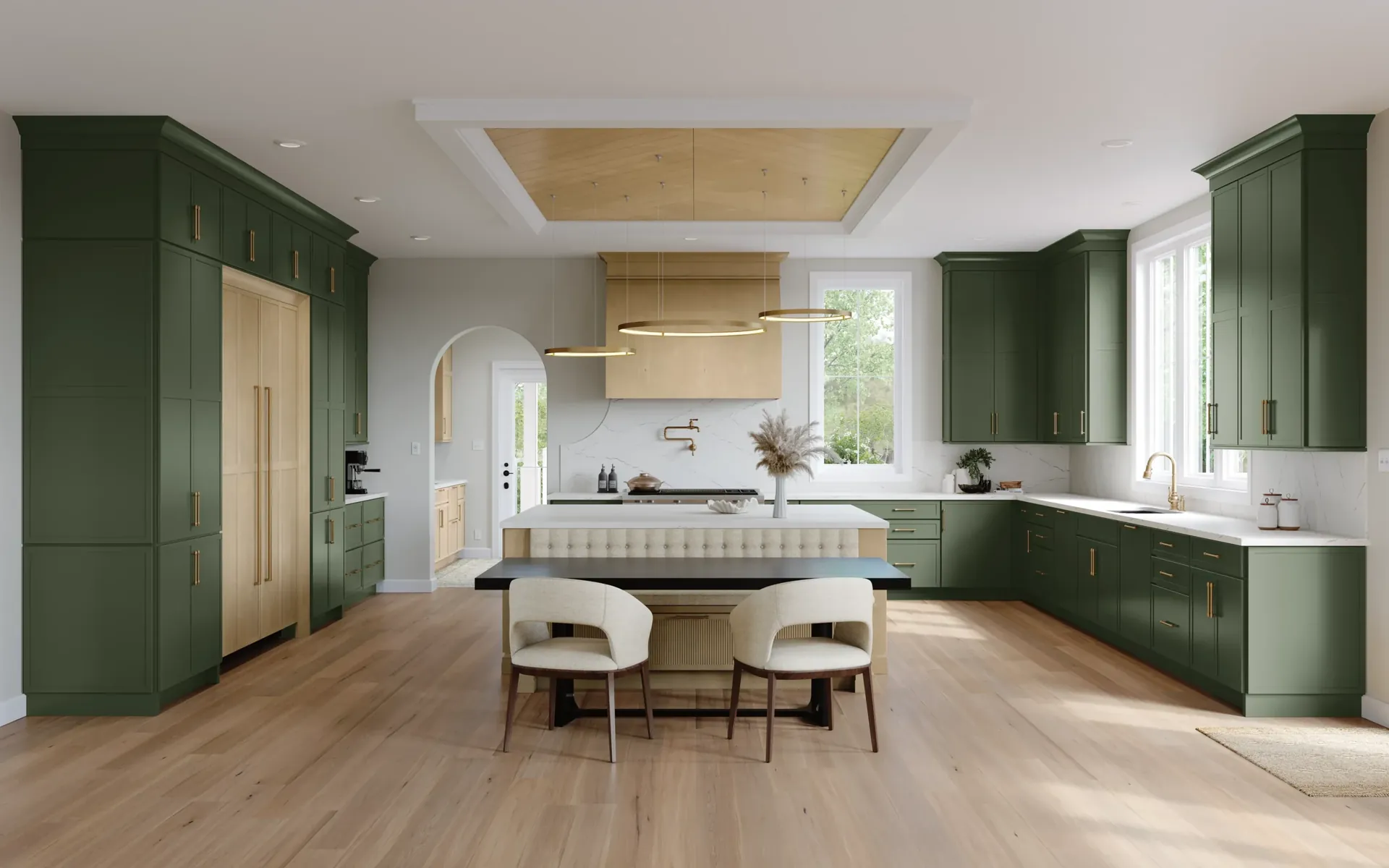
Painted or stained? It's one of the first decisions you make when you start a kitchen project, and one of the few decisions that affects nearly every other choice that follows. Hardware. Countertops. Backsplash. Floors. Wall color. The finish on your cabinets sets the temperature of the entire room and locks in a visual direction for everything else.
Both options have been around for as long as cabinets have existed. Both have strong cases for and against. We install painted and stained cabinets across Polk County, and the answer depends on your home, your habits, and how long you plan to live with the kitchen. Here's an honest comparison.
The Quick Version
- Painted cabinets dominate today's market: clean, modern, broad color range
- Stained cabinets show the natural wood grain: warm, organic, traditional
- Painted finishes show wear (chips, fingerprints, scuffs) more visibly than stained
- Stained cabinets are easier to spot-repair if damaged years later
- Quality factory-painted cabinets from premium lines can outlast budget stained cabinets
- Two-tone kitchens (one painted, one stained) are the most-installed compromise in 2026
What Painted Cabinets Are
Painted cabinets are factory-finished with multiple coats of pigmented paint over a sealed wood or MDF substrate. The final surface is typically protected with a catalyzed topcoat, either conversion varnish or catalyzed lacquer, that bonds chemically and resists moisture, stains, and wear.
The result is a uniform color across every door, drawer, and panel in the kitchen. No grain shows through. The cabinets read clean, contemporary, and color-forward. White is by far the most popular painted color, but the painted category covers every color imaginable: soft creams, deep navies, sage greens, charcoals, warm taupes, even saturated tones like deep emerald or burgundy in trend-forward kitchens.
Where Painted Wins
Three places.
First, design flexibility. If you can find a color in a paint deck, you can probably get a cabinet painted that color. Brands like Medallion offer 100+ standard painted finishes and custom matching for special orders. No stain palette in the world can match that range.
Second, the modern look. Painted cabinets read clean and current, especially in white, off-white, and soft neutrals. The visual surface is uniform, so your eye reads the color and the door profile, not the grain underneath. In contemporary, transitional, and modern farmhouse kitchens, painted is the natural pick.
Third, the light-bouncing effect. Painted white and off-white cabinets reflect natural and artificial light better than nearly any other surface in a kitchen. In a Florida home with limited windows or a deep open-plan layout, this can meaningfully brighten the room.
Where Painted Falls Short
Painted finishes show wear more visibly than stained finishes. Three specific issues:
- Chips: corners and edges show chips clearly; even a small chip is visible against a uniform painted surface
- Fingerprints and smudges: painted surfaces (especially semi-gloss or gloss sheens) show oils from hands more than stained wood
- Touch-up difficulty: repairing a chip means matching the exact paint color and sheen, which is hard to do invisibly once a finish has aged
Quality factory-painted cabinets are far more durable than budget painted cabinets. The catalyzed topcoat does a lot of work. But all paint eventually wears at high-use corners and edges. Plan for some visible aging on painted cabinets over 15 to 25 years of use.
What Stained Cabinets Are
Stained cabinets are real wood, usually maple, oak, cherry, hickory, walnut, or alder, with a pigmented stain applied to color the surface while letting the grain pattern show through. A clear topcoat seals and protects.
The final surface shows the wood. Knots, grain variation, mineral streaks, and natural color shifts are all visible. Two cabinet doors of the same stain color will look slightly different because the wood underneath is different. That natural variation is part of what makes stained cabinets feel warm and organic.
Where Stained Wins
Three places.
First, warmth and texture. Stained cabinets feel alive in a way painted cabinets don't. The wood grain catches light differently as the sun moves through the room. In rooms with traditional, Craftsman, lakefront, or rustic character, stained wood feels right in a way painted can't quite match.
Second, wear forgiveness. The natural variation of wood grain hides minor scratches, scuffs, and dings far better than uniform paint. A scratch on a white painted cabinet stands out. A scratch on a stained walnut cabinet often disappears into the grain. Over 20 years of family-kitchen use, stained cabinets typically look better at year 20 than equivalent painted cabinets.
Third, easier repair. Wood and stain can be spot-repaired. A touch-up stain pen or a careful sanding-and-refinish of one door can address damage without rebuilding the whole kitchen. Painted cabinets generally need full repaints to repair invisibly.
Where Stained Falls Short
Three issues.
First, color range. Stains can only do so much. They're tinted to enhance or shift the wood underneath, not to cover it. You can stain maple to mimic walnut, or stain oak to a deep ebony, but you can't stain wood to sky blue or sage green. If your design calls for a specific saturated color, stained isn't the right choice.
Second, dated reads in the wrong room. Stained oak in particular carries strong associations with 1980s and 1990s kitchens. Golden oak, honey oak, and orange-undertone stains have a specific dated look. Modern stained kitchens use newer techniques (rift-cut white oak, wire-brushed finishes, gray-toned stains, deeper walnut) that read current rather than dated. But the wrong stain choice can pull a kitchen back into a different decade.
Third, less light reflection. Stained surfaces absorb more light than painted whites. In a small or dim kitchen, an all-stained kitchen can feel heavy or dark, though this is sometimes the intended effect.
Longevity: Which One Actually Lasts Longer?
This is the question most people care about, and the answer surprises people on both sides.
Stained cabinets typically age more gracefully. The natural grain hides wear, and damage can be spot-repaired without showing the repair. Twenty-year-old stained kitchens often look settled and lived-in rather than worn out.
Painted cabinets typically show wear earlier and more obviously. Chips, smudges, and corner wear all telegraph against the uniform painted surface. But painted cabinets can also be refreshed by repainting them, which gives them a second life. A painted kitchen can be repainted in a fresh color at year 15 for a fraction of the cost of new cabinets, effectively starting a new 15-year clock.
On a 20-year horizon, the two are roughly comparable in look-good lifespan, assuming both are quality construction with quality finishes. Where they diverge is in maintenance personality: stained gets better with patina, painted needs to be kept clean to keep looking new.
How Florida Humidity Affects Each One
We've written more on Florida humidity and cabinet materials generally, but here's how it relates to painted vs stained specifically.
Painted cabinets need quality factory finishing on all six sides of every door and drawer face: front, back, top, bottom, and both side edges. Any unsealed edge can absorb moisture from humid Florida air and swell. The cabinet industry's own durability standard says the same thing about a seam that is not watertight: moisture gets in, the substrate swells, and the finish bubbles. Quality semi-custom and custom cabinet brands handle this correctly. Budget cabinets often skip back and edge sealing, which is where painted finishes fail first.
Stained cabinets are less vulnerable to edge swelling because the wood is real and is sealed by the topcoat as a single integrated surface. The clear sealer on a stained cabinet bonds to wood that's already conditioned to take moisture in and out, so seasonal humidity changes show up as subtle wood movement rather than finish damage.
Both styles work fine in Florida if the cabinets are quality-built. Both fail early if the cabinets are budget-spec.
Cost Comparison
Painted cabinets typically cost 10 to 20 percent more than equivalent stained cabinets in the same line. The reason is that painted finishes require more prep work, more coats, and tighter quality control during finishing. Stained finishes are more forgiving. Minor wood variation is part of the look, so the production line moves faster.
Rough 2026 pricing for a typical semi-custom kitchen in Polk County:
- Stained semi-custom: $200 to $450 per linear foot installed
- Painted semi-custom: $230 to $500 per linear foot installed
- Specialty finishes (glazed, distressed, two-tone): $300 to $600+ per linear foot installed
On a 25-foot kitchen, the painted-vs-stained difference is typically $750 to $1,500, meaningful but rarely the deciding factor. Most homeowners pick based on look and lifestyle rather than the marginal cost.
Two-Tone Kitchens: The Best of Both
The most-installed kitchen finish combination in 2026 isn't all-painted or all-stained. It's a mix. The dominant patterns:
- Painted perimeter cabinets + stained island: clean walls, wood centerpiece
- Stained lower cabinets + painted uppers: warmth at counter level, brightness above
- Painted main run + stained hutch or built-in pantry: feature piece in stained wood
- Two-tone painted (white uppers + colored lowers): covered in our white kitchen cabinet guide
The mixed approach gives a kitchen visual interest, breaks up flat color walls, and lets you put each finish where it wins: painted brightness where you want airiness, stained warmth where you want grounding. We design plenty of Winter Haven kitchens in this style.
Cleaning and Daily Maintenance
Painted and stained cabinets clean similarly, but with subtle differences.
Painted Cabinets
- Wipe with a damp microfiber cloth weekly. Water alone handles most marks
- Skip harsh cleaners. They can dull or damage the finish over time
- Spot-clean grease near the cooking zone with a tiny amount of mild dish soap
- Avoid abrasive sponges or scrubbing pads at all costs. They scratch finish irreversibly
Stained Cabinets
- Wipe with a damp microfiber cloth weekly, working with the grain rather than against it
- Use a wood-safe cleaner occasionally, such as products labeled for kitchen cabinets or fine furniture
- Reapply a thin wood-conditioner or wax once a year to nourish the finish (optional but extends life)
- Touch up scratches with a stain pen matched to the original color for a quick and invisible repair
How Hardware and Countertops Pair with Each
Painted cabinets give you maximum flexibility. Nearly any hardware finish and any countertop works. The most common pairings are brushed brass or matte black hardware against quartz or stone counters. The painted surface acts as a clean visual backdrop, so the other elements can be expressive.
Stained cabinets pair best with hardware and counters that complement the wood tone. Warm woods (cherry, walnut, warm-stained oak) typically pair with warm metals (brushed brass, antique bronze, oil-rubbed). Cool-toned stains (gray-stained oak, ebony walnut) pair well with brushed nickel or matte black. Counters with strong warm or cool tones either harmonize or clash with the wood, so make sure you hold counter samples against actual cabinet samples before committing.
Our broader hardware sizing guide covers proportions across both finish types.
Which One Holds Resale Value Better?
Both, when done well.
Painted white kitchens are still the most universally appealing choice for resale. They photograph well, show well in person, and rarely turn buyers off. A clean, well-maintained painted white kitchen is close to a universal upgrade.
Quality stained kitchens, particularly in modern stains (white oak natural, walnut, rift-cut oak), hold their value just as well and often better in higher-end homes. Buyers responding to traditional, lakefront, or upscale-rustic homes often prefer the warmth of stained wood over painted.
Where resale gets harder is with strongly trend-forward choices: a bold-color painted kitchen (saturated emerald, oxblood, or dark teal) or a strongly dated stain (golden oak, honey oak, orange-undertone cherry). Those choices express personality, but they also limit the buyer pool when it's time to sell.
When to Pick Painted
- Your home is contemporary, transitional, modern farmhouse, or beach coastal
- You want a specific color (any color) that stain can't deliver
- Your kitchen has limited light and you need maximum brightness
- You're remodeling for resale in the next 3 to 5 years
- You like the option to repaint in a different color years from now
When to Pick Stained
- Your home is traditional, Craftsman, Mediterranean, lakefront, or upscale rustic
- You want warmth and texture that paint can't replicate
- You have an active family kitchen and want wear-forgiveness over time
- You prefer easy spot-repair over full refinishing
- You want a kitchen that ages with patina rather than getting tired
When to Pick Both
Honestly, most kitchens we design today end up with at least a touch of both. A painted perimeter with a stained island. A stained pantry wall with painted everything else. A painted upper run with stained open shelving or lower cabinets. The combination almost always reads richer than either finish alone, and it lets you place the warmth and the brightness exactly where they earn their keep.
Bottom Line
Neither painted nor stained is universally better. They're different tools for different kitchens. Painted gives you color flexibility, modern looks, and easy refresh options. Stained gives you warmth, character, and wear-forgiveness. Both last decades when built and finished properly.
Most Polk County homes end up best served by a mix: painted for the bulk of the kitchen with a stained accent piece, or vice versa. Walk samples side-by-side at the Winter Haven showroom and you'll see how each finish moves under real light. The right answer becomes obvious once you see them next to your floor and counter picks. Contact us to schedule a visit and ask about financing options for full-kitchen projects, with approved credit.
Sources
- Kitchen Cabinet Manufacturers Association (KCMA), ROI of Cabinet Durability: Reducing Project Risk With A161.1 (unsealed seam lets moisture in, substrate swells)
More cabinet tips
Have a project of your own?
Free in-home estimates across Polk County.