
Flooring Tips
What Floor Color Hides Dirt Best (and Looks the Cleanest)?
Medium-tone floors with natural color variation hide dirt, dust, pet hair, and scratches longest between cleanings. Here is what our installs show.
- Published
- May 19, 2026
- Author
- Blackburn's Interiors, Winter Haven, FL
- Updated
- July 24, 2026
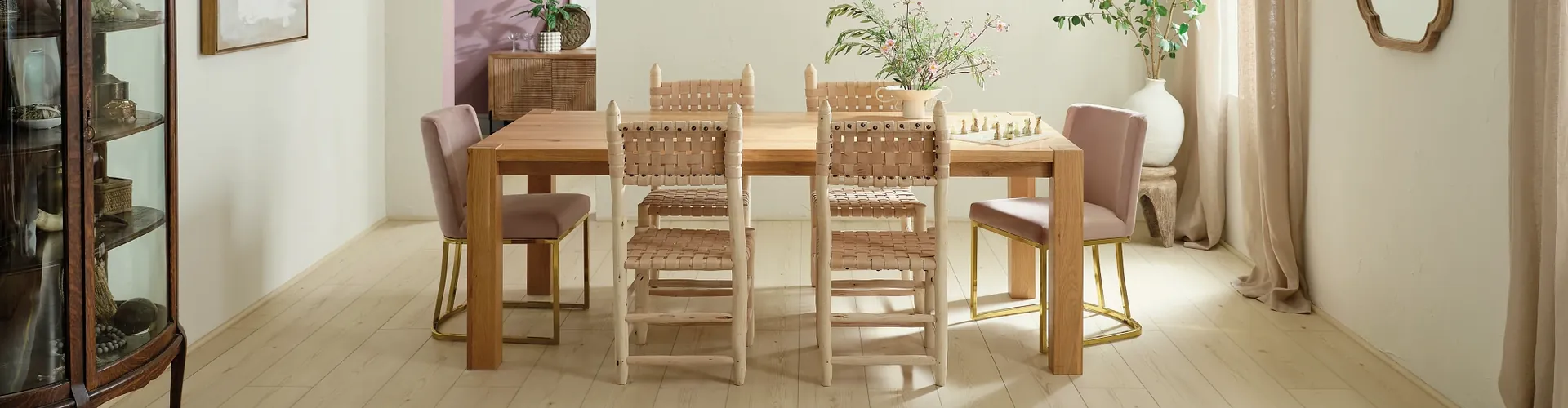
What floor color hides dirt best? Medium tones win, and texture closes the deal. After more than fifty years of installing flooring in Polk County homes, including thousands of kitchens, hallways, and family rooms with kids and dogs, we can tell you the answer is not a single color. It is a combination of tone, color variation, and finish that together decide how long your floor looks clean between moppings.
This question comes up constantly at our Winter Haven showroom, especially from families with pets, small children, or anyone who tracks in the fine sandy soil we live with in Central Florida. The answer surprises most people, because the floors that photograph best in showrooms are often the worst performers in real life.
The Two Things Dirt Actually Does to a Floor
Before picking a color, it helps to understand what you are hiding. Dirt on a floor falls into two categories: fine particles and larger debris. Fine particles include dust, pet dander, and Florida's ever-present fine sand from lake shores, pool decks, and unpaved driveways. Larger debris means crumbs, pet hair, muddy footprints, and scratched-in grit.
These two types behave differently under different colors. Fine particles show up most against dark surfaces, like a black shirt after a walk on the beach. Larger debris, especially muddy footprints and tracked-in grit, shows more against light, uniform surfaces where the contrast is high. Medium tones split the difference. They are dark enough to hide fine dust and light enough to avoid making every muddy paw print a crime scene.
Why Medium Tones With Color Variation Win
The best-performing floors we have put in busy homes share one trait: they have natural color variation. A plank with multiple tones, lighter streaks, darker knots, grain movement, and subtle pattern breaks up the surface visually. Your eye has nowhere to settle, so individual specks of dust or a strand of pet hair simply disappear into the noise.
Think of camouflage. Camouflage works because the pattern contains many colors and values at once. A floor with rich grain variation does the same thing. A mid-tone warm oak with character, a hand-scraped hickory, a greige luxury vinyl plank with slight color movement: these all perform the same hiding trick. The variation is doing the work.
This is why natural hardwood species with busy grain patterns, like hickory, hand-scraped oak, and wire-brushed white oak, are such favorites in households with heavy traffic. The variation is not just visual character. It is a practical feature.
The Best Tone Ranges for Dirt-Hiding
- Medium warm oak (honey to caramel range): hides dust, crumbs, and pet hair equally well
- Greige with natural variation: the LVP workhorse for busy families, blends sand and grit
- Soft hickory or hand-scraped wood tones: the highest variation, the longest time between visible cleanings
- Mid-brown chestnut and walnut-look floors: rich enough to absorb fine dust without going so dark they show pet hair
Very Dark Floors: The Maintenance Trap
Near-black and espresso floors look stunning in a magazine. In real life, they are the hardest to keep looking clean. Fine dust, pet dander, and the sandy soil we all track in from the lakes and the pool lanai stand out like chalk marks against a dark surface. You mop, and twenty minutes later the fine silt from an open window has already settled.
Dark floors also telegraph scratches. Micro-scratches from pets, grit, and furniture movement catch the light and multiply across a dark surface in a way they simply do not on a medium or varied floor. In our climate, where we wear shoes in from the carport or the garage and bring in the outside constantly, this is a daily battle rather than a weekly one.
We are not saying dark floors are wrong. They are dramatic and beautiful, and they suit certain rooms well. But if your main concern is maintenance in a busy household, a dark floor will cost you more cleaning time than any other choice.
Very Light Floors: They Look Clean Until They Do Not
Light floors are the interesting case, because there is a real gap between how they look and how they perform. A pale white-oak floor or a light sandy laminate reads spotless in photos and to the eye at a glance. That visual cleanliness is real. Low-variation light floors do look clean at first inspection.
The problem is that they reveal grit and muddy tracks fast. Fine sandy soil from Central Florida, which is pale itself, blends into a light floor reasonably well. But wet footprints, pet paws after rain, and any dark debris stand out immediately against that pale background. The floor looks pristine until the first person comes through from the backyard.
This is the distinction that matters: looks clean is not the same as hides dirt. A light, low-variation floor looks clean when it is clean. A medium, high-variation floor looks clean even when it is not. For a household that cleans daily, light floors can work. For busy homes where cleaning happens every few days, medium wins.
When Light Floors Are Still the Right Call
If the room is small, if openness and bright light matter more than hiding traffic, or if you are an empty-nester or a neat household without pets, a light floor may still be your best answer. The visual payoff of an airy, open room can outweigh the maintenance reality. Just go in with clear expectations, and choose a matte finish to soften the footprint problem.
Finish: The Detail That Changes Everything
Color is the biggest lever, but finish closes the gap. A matte or low-sheen finish hides scratches, footprints, and fine dust far better than gloss. Here is why: a gloss finish acts like a mirror. It reflects light directly off the surface, and every scratch, smear, and footprint breaks that reflection. The marks become visible from across the room.
A matte finish scatters light in many directions instead of bouncing it straight back. Scratches and marks do not catch the light the same way. The floor surface reads as a single quiet plane even when it has real wear on it.
Wire-Brushed and Textured Finishes
Wire-brushed and hand-scraped finishes take this further. The texture itself breaks up the surface so that fine dust and micro-scratches settle into the texture rather than sitting on top of it. A wire-brushed white oak or a hand-scraped hickory is one of the most forgiving floors you can put in a home with pets and heavy foot traffic.
Tile with a matte or natural-stone-look finish performs the same way. A matte porcelain that mimics travertine or natural stone has enough texture to absorb fine grit visually. A polished, high-gloss tile does the opposite: every paw print and water spot shows immediately.
- High gloss: every footprint, water spot, and pet hair is visible from across the room
- Satin or low-sheen: better than gloss, still shows detailed dirt in direct light
- Matte: the practical winner for busy homes, hides fine dust and micro-scratches
- Wire-brushed or hand-scraped: the strongest performer, texture does extra hiding work
Florida Sandy Soil and Pet Traffic
Polk County has a specific dirt problem that affects this choice more than in many parts of the country. Our soil is sandy and pale, and it is everywhere. It comes in from the pool deck, the lakefront yard, the unpaved path to the garden shed, and the bottom of every shoe and paw that crosses your threshold. During dry months, fine silica dust also settles from open windows and sliding doors.
Against this background, very dark floors suffer the most. Against a dark espresso floor, pale sandy soil looks like snow. A medium warm tone close in value to Florida's sandy soil hides it naturally. A greige or medium honey oak lets that pale grit blend in rather than stand out.
Pet hair follows a similar logic. If you have a light-colored dog or cat, a dark floor will show every strand. If you have a dark-coated pet, a light floor will show them. Medium tones hedge both bets. A floor with color variation hedges them even more, because dark and light hairs both disappear into the grain pattern. Color is only half the battle for dog owners. Our guide to the best flooring for dogs covers the other half: claws, traction, and accidents.
The Practical Winner for Busy Homes
If you have kids, dogs, or both, and you want the longest time between visible cleanings, the practical winner is a medium warm oak or greige LVP with natural color variation and a matte or wire-brushed finish. You can get this look in real hardwood, luxury vinyl plank, laminate, or wood-look tile.
LVP in this tone range is especially popular in Florida right now, and for good reason. It is fully waterproof, so a pet accident or a wet bathing suit is not a disaster. It handles our slab-on-grade construction without the moisture concerns that affect solid hardwood. And the printed surface layer can replicate the color variation of hickory or brushed oak extremely well. We carry multiple lines across this category at our showroom if you want to see samples in person.
Carpet deserves a mention too. In bedrooms and low-traffic rooms, a mid-tone, mid-pile carpet in a natural heather or flecked pattern hides dirt and pet hair better than solid-color carpet. A berber or textured loop with mixed tones is the carpet equivalent of the wire-brushed oak: the variation does the hiding for you.
A Quick Reference Guide
Here is the short version for quick reference. These are the calls we make every week for Polk County families.
- Best all-around dirt hider: medium warm oak with natural grain variation, matte finish
- Best for pet households: wire-brushed or hand-scraped floor in a mid-tone, any material
- Best for sandy Florida soil: greige or medium honey LVP, matte or low-sheen
- Worst for high-traffic homes: near-black floors with gloss finish, shows everything
- Looks clean but reveals grit fast: light, low-variation floors with any finish
- Best budget-friendly option: mid-tone greige laminate with a matte finish and light texture
The Bottom Line
The floor that hides dirt best is a medium tone with high color variation and a matte or wire-brushed finish. That combination performs in the real world the way no single color can on its own. Very dark floors show fine dust and pet hair. Very light floors reveal muddy tracks and tracked-in grit fast. Medium floors with busy grain simply absorb the visual noise of daily life. Add a textured finish and you have a floor that can go days between cleanings and still look respectable. If you are in a Polk County home with Florida sandy soil, kids, or pets, that combination is not just our recommendation. It is the floor we would put in our own homes.
We have 8,000 square feet of samples at our showroom at 1507 Havendale Blvd NW in Winter Haven, and the installers we train and certify know how to prep a Florida slab so that floor performs for years, not months. Use our flooring calculator to size up your project, or contact us for a free in-home measure. Call us at (863) 294-7355 if you want to talk through options before you visit. Want to pay for the project over time? Ask about financing, available with approved credit. We serve Winter Haven, Lakeland, Auburndale, Bartow, Haines City, Davenport, and the rest of the areas we cover, and we would be glad to help you find a floor that works as hard as your family does.
More flooring tips
Have a project of your own?
Free in-home estimates across Polk County.