
Flooring Tips
How to Get Paint Out of Carpet and Floors
Paint spill or drip? How to get latex and oil paint off carpet, hardwood, vinyl, laminate, tile, and stone the safe way, without harsh thinners.
- Published
- March 20, 2026
- Author
- Blackburn's Interiors, Winter Haven, FL
- Updated
- August 4, 2026
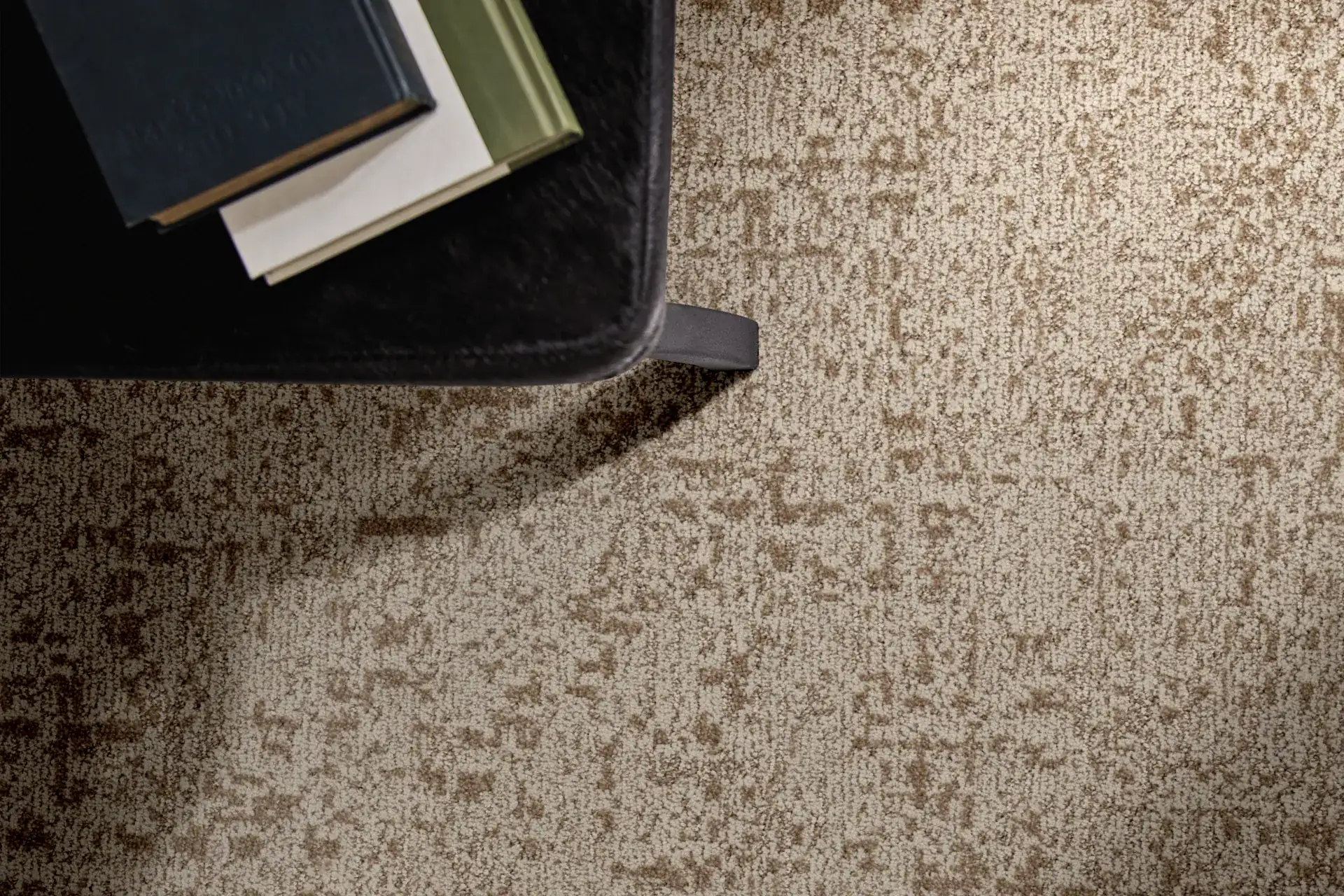
A refresh on the walls is one of the most common reasons a floor takes a hit. A drip off the roller, a tipped tray, a rinsed brush that splatters. We have been a family flooring shop in Winter Haven since 1973, and the good news with paint is that timing is everything. Wet latex paint wipes up with little more than soap and water. Dried or oil-based paint asks for patience and a plastic scraper, not a harsh solvent. Here is the safe method for every floor.
Want the quick steps for your exact surface? Our StainSolver paint reference lays them out side by side. Below is the full walkthrough.
Latex Wipes Wet, Dried Paint Gets Lifted
Most household paint is latex, which is water-based. While it is wet, it comes up with warm soapy water on almost any floor, so the first move is speed: blot it before it skins over. Once paint dries, or if it is oil-based, it will not dissolve safely on most floors. The smart play then is to soften the crust with a warm damp cloth and gently lift it by hand with a plastic edge, rather than reaching for a thinner that does more harm than the paint.
Paint on Carpet
Carpet grabs paint in the pile, so catch it wet if you can:
- Blot wet paint with a white cloth, edges inward, never rubbing. That is the Carpet and Rug Institute's own wet-latex method.
- For wet latex, mix one quarter teaspoon of clear dish soap into one cup of lukewarm water. That is CRI's published mix. Blot, then blot again with plain water, repeating until the color stops lifting.
- For dried or oil-based paint, dampen the spot with the same lukewarm soapy water and let it sit five minutes to soften the crust.
- Gently work the softened paint loose with the dull edge of a spoon or a soft toothbrush, then blot the bits away. A rounded spoon is what CRI calls for on dried paint.
- Rinse by blotting with plain water, press a dry towel down hard, and let the carpet air-dry.
Do not attack carpet paint with thinner or acetone. Scrubbing frays the fibers, and strong solvents can melt the backing on wall-to-wall carpet along with the latex that holds the tufts in place. Patience and soapy water beat a harsh chemical here. The same warning covers nail polish spills on carpet, where the remover can do more damage than the polish did.
Paint on Hardwood, Vinyl, and Laminate
On hard floors, wet latex wipes up with a damp cloth, and dried paint softens and lifts with a plastic edge. The thing to avoid everywhere is solvent. If you have ever had to get super glue off a finished floor, you already know the drill: soften first, lift with plastic, never gouge.
Hardwood
Wipe wet latex with the grain using a damp (not soaked) cloth, then a drop of dish soap in water for any film, and dry at once. For dried paint, lay a warm damp cloth over it for a minute to soften it, then ease it up with a plastic putty knife or credit card held nearly flat. Never use acetone, paint thinner, vinegar, or oil soap on hardwood, and never soak or steam the boards, since solvents strip the finish and water swells the wood.
Luxury Vinyl and Laminate
Luxury vinyl is waterproof, so wet latex wipes right up, and dried paint softens with a warm cloth and lifts with a plastic scraper. Laminate takes the same approach with a barely-damp cloth and a fast dry, since its paper photo layer and core both hate standing water. On both, skip acetone, thinner, abrasive pads, and steam mops.
Paint on Tile and Grout
The glazed tile face is forgiving: wipe wet latex with a damp cloth, and for dried paint, soften it with warm soapy water and scrape it up at a low angle with a plastic putty knife or plastic razor so you do not scratch the glaze. The grout grabs paint, so dab the grout line with warm water and dish soap and scrub gently with a toothbrush, softening stubborn paint with a warm wet cloth first. Do not drag a metal blade across the glaze or pour harsh solvents on the grout, which break down the sealer.
Paint on Natural Stone
Blot wet latex off stone at once before it can seep in, then clean residue with a pH-neutral stone cleaner. For dried paint, soften it with a warm damp cloth and lift it gently with a plastic putty knife held at a low angle. Never use vinegar, lemon, or any acid on marble or travertine, and never use paint thinner or acetone, since acids etch the stone and solvents strip the sealer that keeps it from staining. If paint soaked in or the spot looks dull after cleaning, call us, since the sealer may need a fresh coat.
What to Never Do
- Use paint thinner or acetone on carpet. They melt the backing and the tuft-binding latex.
- Reach for solvent on a finished floor. It strips wood, vinyl, and laminate finishes.
- Drag a metal blade across glazed tile or stone. Plastic only.
- Put vinegar or acid on natural stone. It etches the surface for good.
- Soak or steam wood and laminate. Water swells the boards and the core.
When It Is Time to Call Us
Caught wet, most paint wipes right up. Dried or oil-based paint that bonded to the carpet backing, soaked into stone, or pulled up a wood finish may be past a home fix. Blackburn's has been family-owned since 1962, and our carpet and flooring store in Winter Haven sends installers we train and certify all over Polk County, every job backed by an industry-best residential labor warranty. Walk the flooring samples on our showroom floor when a fresh start beats another scrubbing, ask for a free in-home measure, and look at ways to pay over time, subject to credit approval. You had other places to click. Thanks for landing here.
Sources
- Carpet and Rug Institute (CRI), Spot Solver: Paint, Latex Wet (blotting wet latex paint with a white cloth from the edges to the center without rubbing, and the quarter-teaspoon lukewarm detergent mix)
- Carpet and Rug Institute (CRI), Spot Solver: Paint, Latex Dried (the gentle rounded-spoon scraping of semi-solid paint and the rinse-then-blot-dry finish)
More flooring tips
Have a project of your own?
Free in-home estimates across Polk County.