
Flooring Tips
How to Get Hair Dye Out of Carpet and Floors
Hair dye drip on the bathroom floor? How to lift it from carpet, hardwood, vinyl, laminate, tile, and stone before it sets, from a Winter Haven flooring family.
- Published
- February 23, 2026
- Author
- Blackburn's Interiors, Winter Haven, FL
- Updated
- August 3, 2026
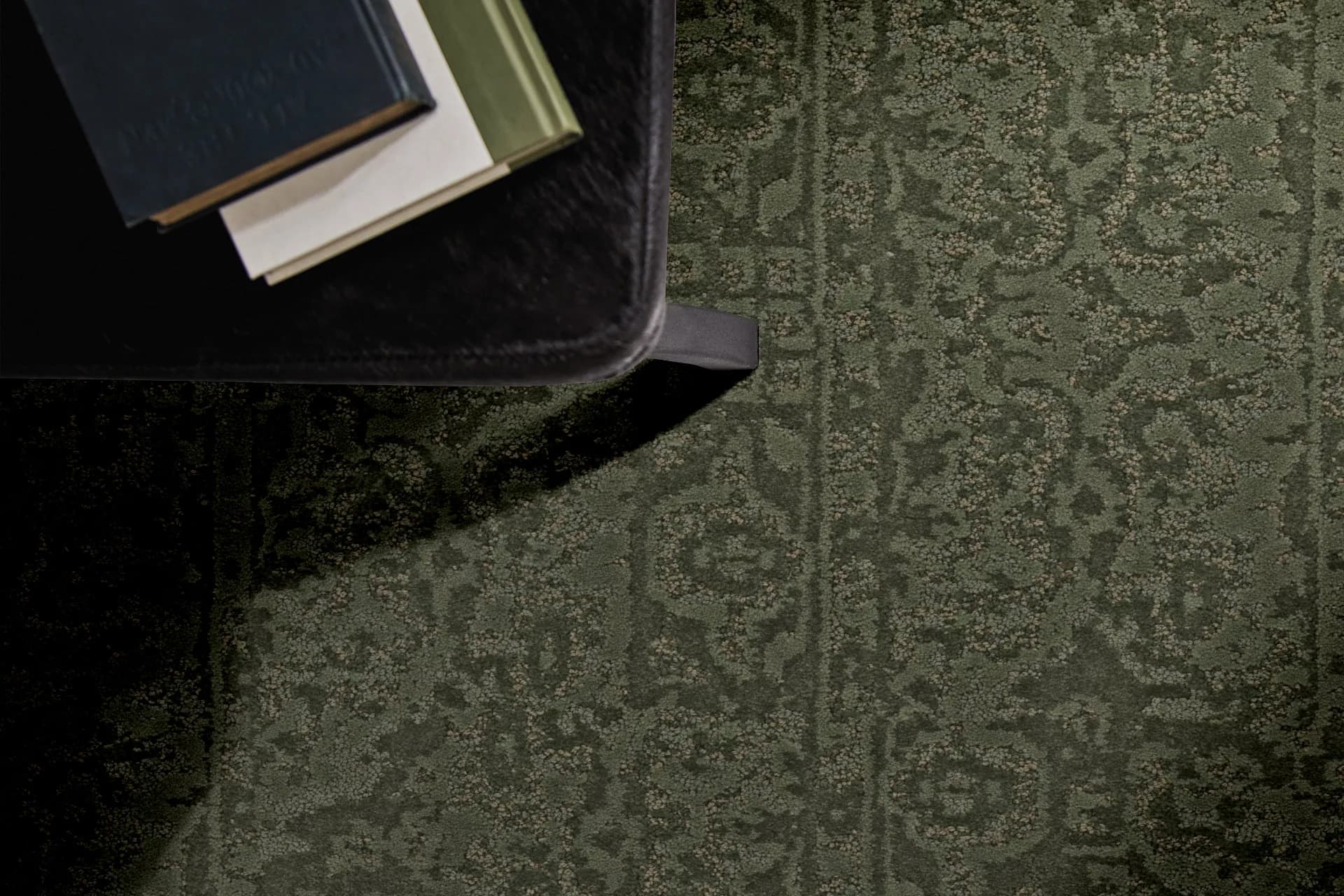
Coloring your hair at home saves a trip to the salon, right up until a drop of dye hits the floor. We have been a family flooring shop in Winter Haven since 1973, and bathroom hair-dye drips are a call we get more than you would think. Hair dye is designed to grab and hold color, so the longer it sits the deeper it sets. Catch it fast and most floors come clean. Here is the safe method for each surface.
For the quick steps on your exact floor, our StainSolver hair dye reference lays them out side by side. Below is the full walkthrough.
Speed Is Everything
Hair dye is built to bond, so the first move is the same on every floor: blot up every drop you can right away with a dry white cloth or paper towel. Never rub. Rubbing drives the dye into the fibers, the grain, or the pores before you have a chance to lift it. Once you have blotted up the wet dye, start the right method for your surface before it dries.
Hair Dye on Carpet
Carpet is the toughest, since dye can slip past the carpet fibers and reach the backing and pad. Both cleaning mixes below come straight from the Carpet and Rug Institute. Work the spot patiently:
- Blot the spill right away with a dry white cloth. Never rub.
- Mix one fourth teaspoon of clear dish soap into one cup of lukewarm water, and test it on a hidden spot first.
- Put a little solution on a white cloth, not on the carpet, and work from the outer edge toward the center. Blot, turn to a clean part of the cloth, and repeat as long as dye keeps lifting.
- If the soap stalls, switch to one cup white vinegar mixed with two cups water on a fresh cloth.
- Rinse with cold water misted on, then blot dry. Several light rinses beat one soaking.
Two things to avoid on carpet: never use laundry detergent, which has optical brighteners that can dye the fiber, and never use ammonia, which yellows wool and breaks the dye bond on wool blends. If the dye reached the backing or pad, or a shadow stays after honest effort, call a professional who can treat it without flooding the carpet. Dye-based spills all act alike, so the same patient blotting works on ink and marker stains on carpet.
Hair Dye on Hardwood, Vinyl, and Laminate
On hard floors, a little rubbing alcohol on a cloth is the workhorse. Put it on the cloth, never on the floor, and dab rather than scrub.
Hardwood
Blot the fresh spill, then put a small amount of rubbing alcohol or non-acetone nail polish remover (the same bottle that bails you out when nail polish spills on the floor) on a cotton ball or white cloth and dab the stain, turning the cloth often. Wipe with a clean damp cloth and dry right away. If dye soaked through the finish into bare wood, stop and let a pro spot-sand and refinish that board. Never flood or steam hardwood, and skip acetone, which can melt the finish.
Luxury Vinyl and Laminate
On luxury vinyl, dampen a white cloth with 70% rubbing alcohol (the spot cleaner Shaw names for marks a regular cleaner cannot lift), rub lightly from the outside in, then wipe with water and dry. Test a hidden plank first. Laminate takes mineral spirits or a little rubbing alcohol on a cloth, then a clean-water wipe and a fast dry so nothing sits on the seams. On both, never steam, wet-mop, or use acetone, which softens the printed wear layer.
Hair Dye on Tile and Grout
Blot fresh dye off the tile before it creeps into the grout. On the glazed face, a little rubbing alcohol on a cloth or a baking soda paste lifts it. For dye sunk into the grout, scrub with an alkaline cleaner like Spic and Span and a soft brush, then rinse well and wipe dry. Keep vinegar and acids off the grout, since acid weakens cement grout, and a grout pen or professional re-coloring can refresh an old line that holds a shadow.
Hair Dye on Natural Stone
Hair dye is rare on stone floors but soaks into the pores fast, so blot at once and rinse with a pH-neutral stone cleaner. For dye that stayed, a poultice can draw it out: a white absorbent paste, made with hydrogen peroxide on light stone or acetone on dark stone, spread over the spot, covered with plastic, and left a day or two. Never use vinegar, lemon, or any acid on marble, travertine, or limestone, and never use a rust remover with hydrofluoric acid on any stone, which etches even granite. A deep stain is a job for a stone pro.
What to Never Do
- Rub a fresh dye spill. It drives the color deeper and spreads it.
- Use laundry detergent or ammonia on carpet. Brighteners dye the fiber and ammonia sets it on wool.
- Pour alcohol or solvent on the floor. Keep it on the cloth.
- Steam or wet-mop wood, laminate, or vinyl. Water and heat warp the floor.
- Use acid on stone or grout. It etches stone and weakens grout.
When It Is Time to Call Us
A fresh dye drip usually lifts with patience and the right method. Dye that reached the carpet pad, soaked through a wood finish, or set into stone is past a home fix. Our family has sold floors in Winter Haven since 1973, and carpet and flooring installation in Winter Haven still starts with a free in-home measure anywhere in Polk County. The installers we train and certify back the job with an industry-best residential labor warranty. Come feel the easy-clean flooring in our showroom, set up your free measure, or ask about special financing with approved credit. Thanks for even considering us. You had other shops to call, and we never forget that.
Sources
- The Carpet and Rug Institute, Hair Dye (the quarter-teaspoon-per-cup detergent mix, the hidden-spot pretest, and the one-cup-vinegar-to-two-cups-water follow-up mix)
- Tile Council of North America, Cleaning Grout (the vinegar-dissolves-cement-grout warning, not the grout-pen remedy)
- Shaw Floors, Vinyl Floor Care & Maintenance (the rubbing-alcohol-and-white-cloth spot treatment for stubborn vinyl marks)
More flooring tips
Have a project of your own?
Free in-home estimates across Polk County.