
Flooring Tips
Is Laminate or Vinyl Flooring Better? A Complete Comparison
Laminate vs vinyl flooring: durability, cost, waterproofing, and room suitability. Figure out which one fits your home.
- Published
- October 7, 2025
- Author
- Blackburn's Interiors, Winter Haven, FL
- Updated
- August 4, 2026
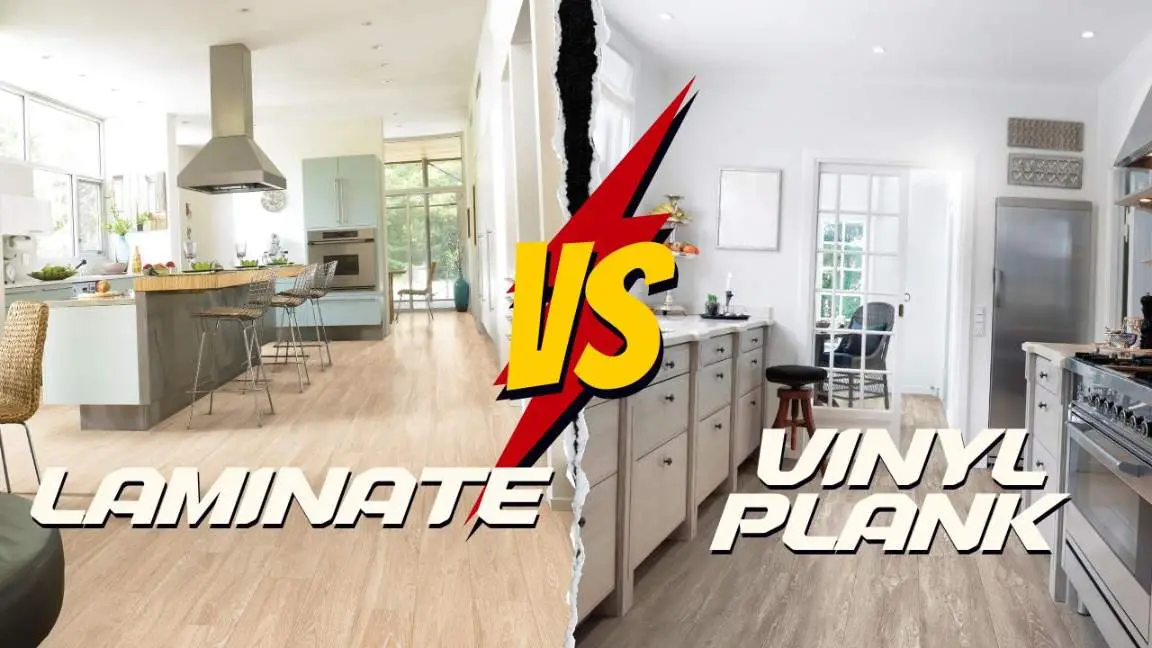
Choosing the right flooring is one of the most important design decisions you'll make. With so many materials available, homeowners often ask: is laminate or vinyl flooring better? The answer depends on your lifestyle, budget, and where you'll install it.
What Is Laminate Flooring?
Laminate flooring is a multi-layer synthetic material designed to mimic natural hardwood. It consists of four layers: a wear layer that protects against scratches and fading; a decorative layer with a photographic image of wood, stone, or tile; a high-density fiberboard (HDF) core; and a backing layer for stability.
Laminate became popular in the 1990s as a budget-friendly hardwood alternative. The North American Laminate Flooring Association puts laminate's track record at more than 30 years. Today's laminate is more durable, more realistic, and available in a wide range of finishes.
What Is Vinyl Flooring?
Vinyl flooring is made primarily from PVC (polyvinyl chloride), making it flexible and fully waterproof. It comes in several forms: sheet vinyl (large rolls), vinyl tiles, and luxury vinyl plank (LVP) or luxury vinyl tile (LVT).
Luxury vinyl took off because it copies hardwood closely while offering 100% water resistance.
Pros and Cons of Laminate
Pros: affordable, looks very close to real hardwood, scratch-resistant, easy DIY installation.
Cons: not waterproof. Water damage can cause swelling or warping. Can be noisy underfoot without underlayment. Shorter lifespan than vinyl or hardwood.
Pros and Cons of Vinyl
Pros: 100% waterproof, perfect for bathrooms, kitchens, and basements. Softer and quieter underfoot than laminate. Extremely durable with high resistance to stains and dents. Available in luxury styles that mimic hardwood and stone.
Cons: can fade with prolonged direct sunlight. Slightly more expensive than entry-level laminate. Lower-end vinyl may look less realistic than laminate.
Which Is Better Room by Room?
- Living rooms and bedrooms: Laminate is often preferred. It looks like hardwood, stays warm underfoot, and costs less.
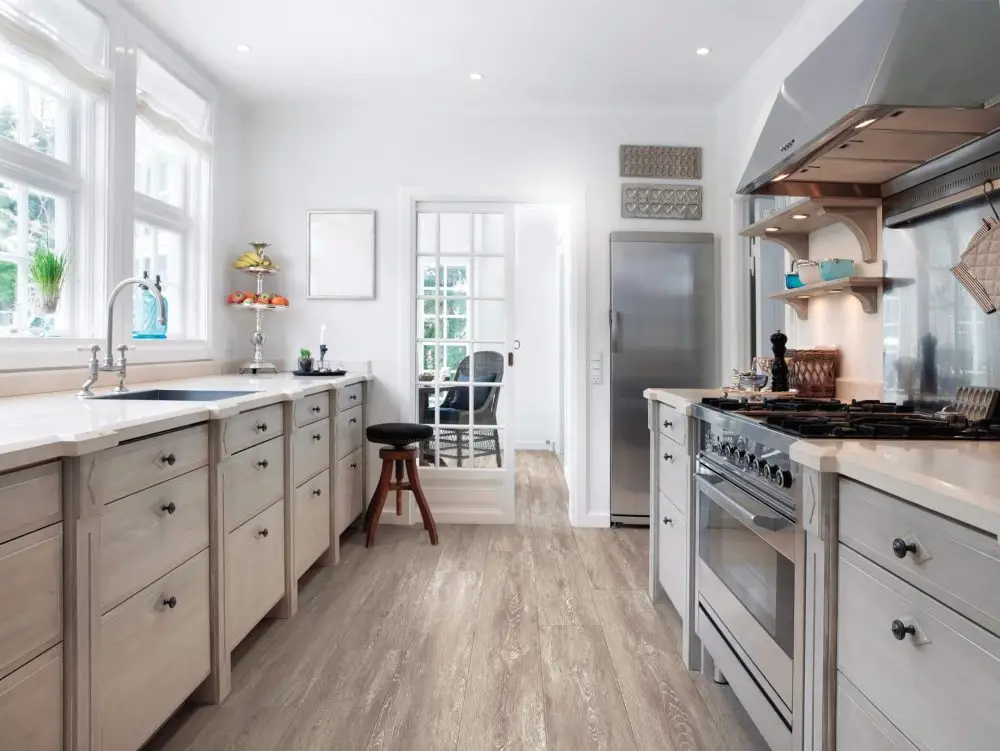
- Kitchens and bathrooms: Vinyl is the clear winner. It's waterproof and handles spills and humidity.
- Basements and laundry rooms: Vinyl. It resists moisture and won't warp.
- Homes with pets and kids: Vinyl. Better stain and water resistance.
Florida's humid climate especially favors vinyl in any room where moisture is a factor. For the Florida-specific breakdown on slab construction, humidity swings, and warranty fine print, see our LVP vs laminate in Florida guide.
Budget Considerations
Laminate is usually cheaper upfront. Basic laminate planks start around $2 per square foot. However, vinyl may save money long-term because it lasts longer and requires less maintenance. When comparing total costs, including installation, underlayment, and lifespan, vinyl often provides better overall value. Ask about financing if you'd like to spread the project over time. It's subject to credit approval.
Durability and Longevity
High-quality luxury vinyl can last 15–25 years. Laminate typically lasts 10–20 years depending on care. Vinyl's waterproof nature gives it an edge in humid climates like Central Florida and busy households across Polk County.
Expert Recommendation
Choose laminate if you want a budget-friendly hardwood look for dry areas. Choose vinyl if you need waterproof durability for kitchens, baths, or basements. Most experts agree: vinyl is more versatile overall, while laminate shines in spaces where moisture isn't a concern.
The Bottom Line
Laminate wins on price and hardwood appearance. Vinyl wins on durability and water resistance. The best choice depends on which room you're remodeling and how you actually live in it. We install both for homes in Haines City and across the area, and a free in-home measure makes the call easy.
Sources
- North American Laminate Flooring Association (NALFA), What is Laminate? (the backing layer's stability role, laminate's scratch resistance, and its 30-plus-year track record)
- North American Laminate Flooring Association (NALFA), Laminate Flooring FAQs (laminate not being waterproof unless the manufacturer specifies it)
More flooring tips
Have a project of your own?
Free in-home estimates across Polk County.